

What do I know, what do I need to know, what do I want to know about Law Enforcement Intelligence?
저자: Sources and Methods Games
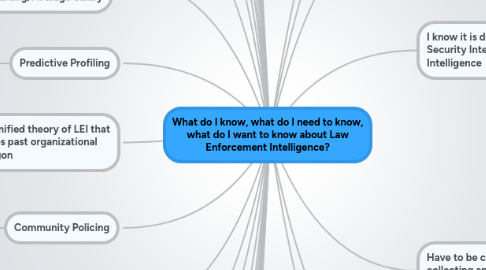
1. Is there a process of sharing intelligence/resources between intelligence units?
2. Need to know the liaison structure with other agencies, SLTLE
2.1. Fusion Centers? JTTF?
3. Application of LEI against US citizens vs foreigners
3.1. Individual's civil rights
4. What can't I collect
4.1. Collection methods: covert vs overt
4.1.1. is covert collection legal?
4.2. Why can't I collect it?
4.2.1. When can I be prosecuted for improper use of LEI?
5. How does the intelligence cycle differ from small police departments to large ones?
5.1. Since the Intelligence Cycle is an on-going process, why is "evaluation" a specified step?
5.2. How much does the Law Enforcement Intelligence community work together?
6. Laws. 28 CFR Part 23
6.1. Memorandum of Agreement vs. Mutual Aid Pact
7. How does law enforcement intelligence interact with national security intelligence?
7.1. law enforcement intelligence is constrained by US law
7.1.1. how does the community interact with law enforcement intelligence?
8. Interaction with the general population
8.1. Elicitation
8.2. Solicitation
9. What kind of education/work experience is required to become a law enforcement intelligence analyst?
10. What tools are available for LE Intell Analysts
10.1. Statistical Programs
10.2. Mapping Programs
10.3. Information and Intelligence Databases
11. Need to know: Opportunities (Local, International)? Starting/Average Salary
11.1. Internships?
12. Predictive Profiling
12.1. Law
12.2. Ethics
13. A unified theory of LEI that goes past organizational jargon
13.1. Process Improvement
13.1.1. Flow
14. Community Policing
14.1. Community Led-policing should be expanded to include Intelligence-led policing
14.2. B
15. Can "standards" ever be set? Statewide? Nationwide? By who?
15.1. Standardized Framework
15.2. Should they?
16. Where in the nation was Law Enforcement Intel first used?
16.1. At what level of government?
17. How do turf wars between agencies and jurisdictions affect the process?
18. What is the demand for Law Enforcement analysts?
18.1. How many law enforcement analysts are in the United States currently?
18.2. Sworn vs. Non-Sworn?
18.2.1. Clearance?
18.2.2. Do most LE analysts handle non-classified data?
19. How much is the collection process restricted by the need to make sure information will be able to go to court?
19.1. The goal is that information must be admissible in court.
19.1.1. Application of LEI in prosecution
19.1.1.1. Need to know how to make intelligence products useable and admissible in a court of law
20. How to get past organizational rivalries in information sharing
20.1. Information Sharing
20.1.1. State vs. Local vs. Federal - what are the differences? problems?
21. which jurisdictions have robust intelligence units? which do not?
21.1. Do small towns NEED LE Analysts or are they only necessary for high crime towns and cities?
22. Is there an authoritative guide for intelligence among all LE agencies? Or does each agency treat their intelligence differently.
22.1. I would think every agency has their only Intelligence cycle that they train their analysts on, however, they don't want to share that info with the public
23. How much do Law Enforcement Intelligence professionals work with Legal professionals? (i.e. lawyers, prosecutors)
23.1. Need to know how best to integrate with other agency functions in my jurisdiction
24. What is the process intelligence agencies use when working together?
25. What is the salary for LE intel analysts?
26. what type of intelligence can be collected on persons?
26.1. ethics of investigating other police offers
27. Performance Measurement
27.1. Accuracy of estimates
28. How is LE intel treated in other countries?
28.1. International
29. I know it is different from National Security Intelligence and Competitive Intelligence
29.1. Law Enforcement Intelligence needs to understand what can and can't be presented in court. National Intelligence does not have to worry about this
29.2. Need to know organizational structure of whichever place I apply
29.3. Need to know how the organization works and its resources for intelligence
29.4. Need to know how to interact with the patrol officers in order to best receive useable information for intelligence
30. Have to be careful about collecting and keeping information files
30.1. Are there guidelines available for deciding what you can collect and keep?
30.1.1. How long can you retain information?
30.1.2. An intel analyst cannot violate a citizen's rights
30.2. Database Management
30.2.1. how much information to share with public?
30.2.2. Use of Open Source intelligence