


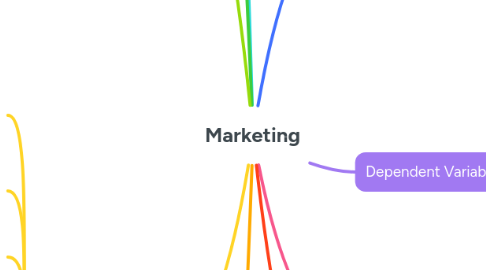
1. Theory
1.1. Theory of Planned Behavior (TPB) [24]
1.2. Stimulus-Organism-Response (S–O–R) Model[25]
1.3. Technology Acceptance Model (TAM) [26]
1.4. Elaboration Likelihood Model (ELM) [27]
1.5. Social Exchange Theory (SET) [28]
1.6. Trust-Commitment Theory [29]
2. Main Problem
2.1. Lack of Consumer Trust in Digital Platforms [42]
2.2. Misuse and Authenticity Issues in eWOM [43]
2.3. Challenges in Promoting Sustainable Consumption [37]
2.4. Efficacy of Digital Marketing Strategies in Driving Sustainable Goals [45]
2.5. Cultural and Regional Nuances in Malaysia [44]
3. Method & Analysis
3.1. Research Design
3.1.1. Quantitative
3.1.2. Quantitative
3.2. Data Collection
3.2.1. Qualitative Phase
3.2.1.1. Semi-structured interviews
3.2.2. Quantitative Phase
3.2.2.1. Structured questionnaire
3.2.2.2. Surveys distributed through online platforms
3.2.2.3. Likert-scale questions to measure variables (e.g., digital marketing strategies, consumer trust, purchase behavior).
3.3. Quantitative Analysis
3.3.1. Software: SPSS and SmartPLS (for Structural Equation Modeling
3.3.2. Moderation Analysis
3.3.2.1. To evaluate the moderating effect of eWOM on the relationship between consumer trust and online purchase behavior.
3.4. Qualitative Analysis
3.4.1. Software: NVivo or manual thematic analysis.
4. Broad Issues
4.1. The Impact of Digital Marketing Strategies on Consumer Behavior [30]
4.2. Building and Sustaining Consumer Trust in Online Environments [32]
4.3. Influence of Social Media and eWOM [31][33][34]
4.4. Promoting Sustainable Consumption through Digital Channels [37]
4.5. Measuring the Effectiveness of Digital Marketing in Sustainability Contexts [35][36]
4.6. The Role of Cultural and Regional Contexts [39]
4.7. Regulatory and Ethical Considerations [38]
4.8. Lack of Clear Alignment between Digital Marketing and Sustainability Goals [40][41]
5. Gap and Contribution
5.1. Gap of the study
5.1.1. Lack of Integration Between Digital Marketing Strategies and Sustainable Consumption
5.1.2. Limited Understanding of the Role of Consumer Trust in Online Environments
5.1.3. Inconsistent Findings on the Moderating Role of eWOM
5.1.4. Contextual Gap in Malaysia
5.1.5. Measurement Gap in Assessing Digital Marketing Impact on Sustainability
5.2. Contribution
5.2.1. Integrating digital marketing strategies with sustainable consumption to identify actionable strategies for businesses.
5.2.2. Examining the role of consumer trust as a mediator in online purchase behavior.
5.2.3. Clarifying the moderating role of eWOM in influencing purchase decisions.
5.2.4. Providing a Malaysia-specific perspective to offer culturally relevant insights.
5.2.5. Developing a robust measurement framework to assess digital marketing’s impact on both consumer engagement and sustainability goals.
6. Independence Variable
6.1. Digital Marketing Strategies [2][3] [18]
6.1.1. Social Media {4} [19]
6.1.2. eWOM [4][5][12] [20] [21]
6.1.3. Content Marketing [6]] [13]
6.1.4. Influencer Marketing [7]
6.2. Consumer Trust
6.2.1. Trust in Brand [8]
6.2.2. Trust in info sources [9]
6.2.3. Trust in Online Platform [10][11]
7. Dependent Variables
7.1. Consumer Purchase Behaviour [15]
7.1.1. Consumer's likelihood of purchasing online [12]
7.1.2. Frequency of online purchases
7.1.3. Engagement in sustainable online consumption [14]