


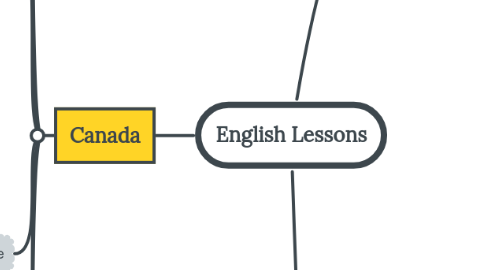
1. Canada
1.1. Facts about Canada
1.1.1. 2nd largest country
1.1.1.1. Ten provinces
1.1.2. Cities
1.1.2.1. Montreal
1.1.2.1.1. French speaking
1.1.2.2. Otawa
1.1.2.2.1. Capital
1.1.2.3. Toronto
1.1.2.3.1. Largest city
1.1.2.3.2. Rich wildlife
1.1.3. Innovator
1.2. The Boreal forests
1.2.1. Importance
1.2.1.1. Biological role
1.2.1.1.1. Regulates oxygen and carbon cycles
1.2.1.2. Cultural significance
1.2.1.3. Economic role
1.2.2. Threats
1.2.2.1. Climate change
1.2.2.1.1. Warming temperatures
1.2.2.1.2. Ecosystem alteration
1.2.2.2. Deforestation
1.2.2.3. Fires and Pests
1.2.3. Consesquences
1.2.3.1. Loss of biodivesity
1.2.3.2. Impact on indigenous traditions
1.2.4. Future
1.2.4.1. Possible northward expansion
1.2.4.2. Species extinction
1.2.4.3. Reduce greenhouse gas emissions
1.3. The climate change
1.3.1. Impact and consesquences
1.3.1.1. Indigenous people
1.3.1.1.1. 3x more affected
1.3.1.2. Natural disasters
1.3.1.3. Species extinction
1.3.1.4. Glacier melt
1.3.2. Solution
1.3.2.1. Government funds
1.3.2.2. Stop using gas
1.3.2.3. Renewable energy
1.4. Smartice initiative
1.4.1. Goal
1.4.1.1. Monitor sea ice
1.4.1.2. Safety for locals
1.4.2. Indegenous involement
1.4.2.1. Employment
1.4.2.2. Promoting reconciliation between communities
1.4.3. Climate change adaptation
1.4.3.1. Helping Arctic communities
1.4.4. Collaboration
1.4.4.1. Indigenous knowledge
1.4.4.2. New technologies
1.5. Xeni Gwet’in Community Electrification Project
1.5.1. Leader in green energy
1.5.1.1. Switching to solar power
1.5.1.2. 800 solar panels
1.5.2. Reasons for switching
1.5.2.1. Sustainable energy
1.5.2.2. Cultural connection
1.5.2.3. Economic benefits
1.5.2.4. Support for underfunded services
1.5.2.5. Long-term impact
1.6. Xeni Gwet’in Community Electrification Project
1.6.1. About Xeni Gwet'in
1.6.1.1. Remote First Nations Community
1.6.1.2. Location: Nemiah Valley (Honeywood)
1.6.2. Main issues
1.6.2.1. Isolation
1.6.2.2. High power costs
1.6.2.3. Environmental Impact
1.6.3. Project goals
1.6.3.1. Install underground powerline
1.6.3.1.1. Why underground ?
1.6.3.2. Reduce costs
1.6.3.3. Provide clean & Stable energy
1.6.4. Challenges
1.6.4.1. Funding issues
1.6.4.2. Technical difficulties
1.6.4.3. Ensuring reliable electricity
2. Wall apart
2.1. US-Mexico Border Conflict
2.1.1. Main Issues
2.1.1.1. Cultural, racial & religious tensions
2.1.1.2. Historical conflicts
2.1.1.3. Lack of natural border
2.1.1.4. Border control issues
2.1.2. Key Historical Events
2.1.2.1. Mexican Revolution (1916)
2.1.2.2. US Response
2.1.2.3. Early border (Pre-20th Century)
2.1.3. Border Security Evolution
2.1.3.1. Undocumented immigration
2.1.3.2. Post-9/11 security measures
2.1.3.3. Trump’s border wall proposal
2.1.4. Challenges
2.1.4.1. Funding issues
2.1.4.2. Cultural & political conflicts
2.1.4.3. Geopolitical tensions
2.2. The Border Angels
2.2.1. Mission & Goals
2.2.1.1. Symbol of hope
2.2.1.2. Humanitarian aid
2.2.1.3. Migrant support
2.2.2. Dangers for Migrants
2.2.2.1. Exhaustion & dehydration
2.2.2.2. Harsh terrain
2.2.2.3. Violence & crime
2.2.3. Actions & Impact
2.2.3.1. Water drops
2.2.3.2. Raising awareness
2.2.3.3. Defending migrants' rights
2.2.4. Challenges
2.2.4.1. Political opposition
2.2.4.2. Volunteer risks
2.2.4.3. Persistent border crisis
2.2.5. Motivations
2.2.5.1. Family background
2.2.5.2. Moral duty
2.3. The Hate U Give, Angie Thomas, 2017
2.3.1. Main Issues
2.3.1.1. Fear of speaking out
2.3.1.2. Class divide
2.3.1.3. Racial tensions
2.3.1.4. Friendship struggles
2.3.2. Key Events
2.3.2.1. Personal loss
2.3.2.2. Parental influence
2.3.2.3. Betrayal by friends
2.3.3. Cultural and Social Issues
2.3.3.1. Identity conflict
2.3.3.2. Fear of judgment
2.3.3.3. Social pressure
2.3.4. Conclusion
2.3.4.1. Divided worlds
2.4. Ghetto 4 Life, Banksy
2.4.1. Location
2.4.1.1. South Bronx (New York)
2.4.2. Main Ideas
2.4.2.1. Identity
2.4.2.2. Resistance
2.4.2.3. Cultural Pride
2.4.3. Key Elements of the Graffiti
2.4.3.1. Bold colors & style
2.4.3.2. Words as power
2.4.4. Social Context
2.4.4.1. Ghetto
2.4.4.2. Economic disparities
2.4.4.3. Art as protest
2.4.5. Cultural Impact
2.4.5.1. Urban art
2.4.5.2. Public space
2.4.6. Conclusion
2.4.6.1. Pride & expression
2.5. Drawing Borders
2.5.1. Reasons for Borders
2.5.1.1. Fear & protection
2.5.1.2. Control & separation
2.5.2. Consequences of Borders
2.5.2.1. Discrimination & prejudices
2.5.2.2. Isolation & exclusion
2.5.2.3. Nature ignores borders
2.5.3. Cartoon Symbolism
2.5.3.1. Nature vs. Humans
2.5.3.2. Walls as barriers
2.5.3.3. Hypocrisy & contradictions
2.5.4. Possible Solutions
2.5.4.1. Breaking walls, Building bridges
2.5.4.2. Thinking beyond borders
3. Small Talk
3.1. Goals
3.1.1. Helping people connect
3.1.2. Breaking the ice
3.1.3. Networking
3.2. Importance in the USA
3.2.1. Showing politeness
3.2.2. With strangers
3.2.3. With colleagues
3.3. Topics
3.3.1. suitable
3.3.1.1. The weather
3.3.1.2. Hobbies
3.3.1.3. Work or studies
3.3.1.4. Light news
3.3.2. hostile
3.3.2.1. Politics
3.3.2.2. Religion
3.3.2.3. Personnal issues