

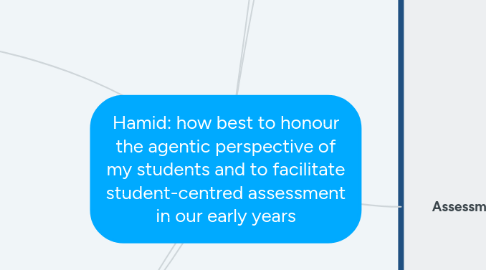
1. when planning, you can make space for differentiation through extension activities within the learning engagements, how can you make it more challenging or slightly easier for students? How can you provide support and deepen their understanding. Differentiation does not mean entirely creating separate activities for children with different levels of ability - it is simply scaffolding the same engagement to meet the needs of your learners. Allow students to choose how far they can take an activity, children know their capabilities and will naturally challenge themselves and inquire so as a teacher your role is to make sure thats a possibility within the engagements you are already designing.
2. Collaboration with other year groups
2.1. teachers from other year groups might have more experience and can provide you with great ideas to use as a foundation for your own planning - especially if they have taught your age group before.
2.1.1. You can bounce ideas off them and hear feedback as well as get suggestions on how to move inquiry forward if you are stuck.
2.1.1.1. Their ideas and suggestions don't have to be implemented and directly placed into the planning - be sure not to pre-plan everything with teachers.
2.1.1.2. Collaborate on ideas and tell them about what your students interests are and if they have any questions that could guide inquiry and work on that in your planning meetings together - but let the student's voices take the lead and ensure that their choices are represented in the planning.
2.2. Listen to students questions and observe them in these spaces, what do they know? what do they want to know?
3. Designing engaging learning experiences that support physical, emotional, social and cognitive development
3.1. Start with an exciting provocation to get questions and interest flowing. Have discussions with children, listen to their conversations with each other while they play.
3.2. Co-construct learning spaces with the children that excite them and reflect their learning as well as providing a variety of resources and challenging materials.
3.3. Collaborate and brainstorm with your team for ideas. Your Physical education specialist might have suggestions on how to create activities that are meaningful and incorporate physical development
3.4. Once you know what excites the children you can get to work on designing more experiences that are authentic and meaningful. Take all of this information and start designing experiences , making sure to include group and individual collaboration opportunities and time for reflection, negotiation and discussion (eg: think, pair share)
4. Differentiation
5. Student Agency
5.1. Planning
5.1.1. honor student agency by including them in the planning process. Don't pre-plan everything, leave space for student voice to be included. Let them be included in decision making, negotiate and discuss ideas with them before planning ahead. Ask for their opinions, listen to them, observe them.
5.2. in the classroom
5.2.1. Give students the freedom to challenge themselves and to try new things, let them experience success or failure and reflect on their experiences
5.2.2. Create a wonder wall for student questions to be recorded and reflected on - these questions can inform your planning and guide inquiry
5.2.3. Co-construct learning spaces and ensure these spaces are open and provide a variety of resources and materials
6. Assessment
6.1. ongoing assesment
6.1.1. Assessment should be an ongoing process, and should form a natural part of the inquiry process - students will let the teacher know what they know through their actions, creations, discussions, behaviour and the questions they ask. Evidence of learning should be seen in everything they produce if the engagements are meaningful and authentic. Concrete evidence for assessment of students progress can be seen in student portfolios, they should show a timeline of growth and understanding.
6.1.2. By incorporating your assessment criteria and questions into the natural inquiry process it should not impact the inquiry's ability to be student led. You can listen to student voice, plan engagements that honor their voices and the choices they are making so that they can take ownership of their learning and then listen and observe them to assess. Assessment should be covert and fit into engagements naturally so that you can garner authentic information about student progress. If students feel that they are being assessed or the assessments have been decided by the teachers and do not necessarily interest them or connect to them they might perform poorly.
6.1.2.1. More formal assessment can also be done in a natural way - at the start of a unit decide what you need to know and look for the answers in the engagements and provocations you provide opportunities for. Have discussions and group meetings, read books and listen to the children's thoughts and ideas, hear about any experience they have with the topic and any preexisting connections between the story/discussion/provocation and their lives. Ask questions if the opportunity arises for them to form part of a natural discussion during a lesson. Not only do these strategies provide information about their level of knowledge it also provides information to use in your planning. At the end of a unit do the same, write down what you need to know - what do you think they should know? and then look for the answers in the classroom while children engage in activities in a natural way. Record their answers and level of knowledge at the start of each unit and compare it to information you gather at the end of a unit.