

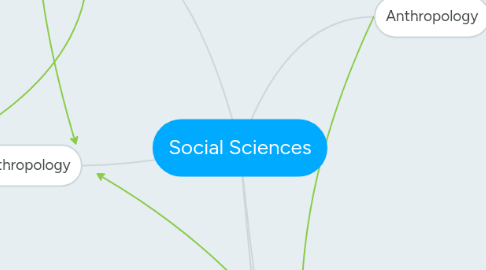
1. Anthropological Linguistics
2. Cultural Anthropology
2.1. Anthropological theories
2.1.1. Evolutionism
2.1.2. French Structuralism
2.1.3. Historical Particularism
2.1.4. Difussionism
2.1.5. Functionalism
2.1.6. Culture and personality
2.1.7. Neo-evolutionism
2.2. Cultural ecology
2.3. Stages of the development of Anthropology
2.3.1. Description of other cultures and reflection on the transformation of their practice
2.3.2. Search for scientific laws of evolution of societies and their institutions
2.3.3. Search for scientific laws of the functioning of societies, from divergent approaches
3. Anthropology
3.1. Culture
3.1.1. Familiy
3.1.1.1. Types of family
3.1.1.1.1. Monogamy
3.1.1.1.2. Polygamy
3.1.2. Magic
3.1.3. Myths
3.1.4. Religion
3.1.4.1. Sacred
3.1.4.2. Profane
3.1.4.3. Cults
3.1.4.3.1. Individualist
3.1.4.3.2. Shamanist
3.1.4.3.3. Community
3.1.4.3.4. Ecclesiastical
3.2. Enculturation
3.3. Aculturation
3.4. Ethnocentrism
3.5. Otherness
3.6. Man
3.6.1. Identity
3.6.2. Mexican Identity
3.7. State
3.7.1. Society
3.7.1.1. Social groups
3.7.2. Population grownth
3.7.3. Regionalism
3.7.3.1. Regions of Mexico
3.8. Ethnography
3.8.1. Qualitative Methodology
3.8.2. Ethnographic Tecniques
3.8.2.1. Direct Observation
3.8.2.2. Participan Observation
3.8.2.3. Conversation
3.8.2.4. Genealogical method
3.8.2.5. Key Informants
3.8.2.6. Life Stories
3.8.2.7. Investigation orientated to types of problems
3.8.2.8. Longitudinal investigation
3.8.2.9. Team investigation
3.8.3. Fieldwork
3.8.4. Etic
3.8.5. Emic
3.9. Areas and aplication of anthropolgy
3.9.1. Education and Medicine
3.9.2. Urban and business
3.9.2.1. Cultural Marketing
3.9.3. Development and Innovation