


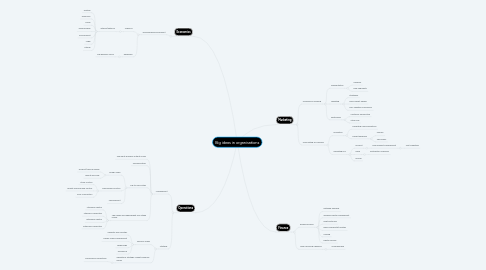
1. Economics
1.1. The Business Environment
1.1.1. STEEPLE
1.1.1.1. Internal/External
1.1.1.1.1. Political
1.1.1.1.2. Economic
1.1.1.1.3. Social
1.1.1.1.4. Technological
1.1.1.1.5. Environment
1.1.1.1.6. Legal
1.1.1.1.7. Ethcial
1.1.2. Recession
1.1.2.1. The Business Cycle
2. Operations
2.1. Management
2.1.1. The input–process–output Model
2.1.2. Transformation
2.1.3. Day to Day Duties
2.1.3.1. Design Tasks
2.1.3.1.1. Product/Service Design
2.1.3.1.2. Layout and Flow
2.1.3.2. Planning and Control
2.1.3.2.1. Stock Control
2.1.3.2.2. Quality Planning and Control
2.1.3.2.3. Error Connection
2.1.3.3. Improvement
2.1.4. The Hayes and Wheelwright four-stage model
2.1.4.1. Internally Neutral
2.1.4.2. Internally Supportive
2.1.4.3. Externally Neutral
2.1.4.4. Externally Supportive
2.2. Strategy
2.2.1. Decision Areas
2.2.1.1. Capacity and Facilities
2.2.1.2. Supply Chain Development
2.2.1.3. Technology
2.2.1.4. Workforce
2.2.2. Operations Strategy Market Influence Model
2.2.2.1. Performance Objectives
3. Marketing
3.1. Focusing an Offering
3.1.1. Segmentation
3.1.1.1. Variables
3.1.1.2. New Segments
3.1.2. Targeting
3.1.2.1. Strategies
3.1.2.2. Mass Market Appeal
3.1.2.3. Non-Targeted Consumers
3.1.3. Positioning
3.1.3.1. Customer Perspective
3.1.3.2. Strap Line
3.2. Formulating an Offering
3.2.1. Promotion
3.2.1.1. Marketing Communications
3.2.1.2. Market Research
3.2.1.2.1. Primary
3.2.1.2.2. Secondary
3.2.2. Marketing Mix
3.2.2.1. Product
3.2.2.1.1. New Product Development
3.2.2.2. Place
3.2.2.2.1. Distribution Channels
3.2.2.3. Pricing
4. Finance
4.1. Raising Finance
4.1.1. Retained Earnings
4.1.2. Working Capital Management
4.1.3. Debt Factoring
4.1.4. Bank Overdrafts/Facilities
4.1.5. Leasing
4.1.6. Equity Finance
4.2. New Financing Channels
4.2.1. Crowdfunding