


1. 1-Sentence-Summary:
1.1. A History Of The World In 6 Glasses will give you some great conversation starters at your next party by teaching you the origins and impact of the worlds six favorite drinks, including beer, wine, alcoholic spirits, tea, coffee, and soda.
2. Favorite quote from the author:
2.1. "Quickly, bring me a beaker of wine, so that I may wet my mind and say something clever." - Tom Standage
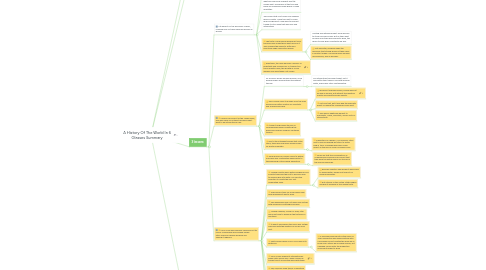
3. 3 lessons:
3.1. If it weren’t for the discovery of beer, mankind may not have become farmers as quickly.
3.1.1. Beer wasn’t invented but instead discovered about 10,000 BC, or the end of the Ice Age.
3.1.2. The location is the Fertile Crescent, or what we now know as Egypt and the Middle East. The people at this time and place are producing cereal grains in large quantities.
3.1.3. They found that malt came from soaking grains in water. Using this malt to make gruel and giving it a few days to ferment turned it into a drink that was fizzy and intoxicating.
3.1.4. The taste of and feeling people got from this new drink made them want more of it. This is where the desire to settle and eventually begin agriculture began.
3.1.4.1. Hunting and gathering didn’t allow humans to store food very easily. But as their want for beer and other grain products grew, the desire to have grain constantly did also.
3.1.4.2. Not long later, mankind made the discovery that storing grains let them have a constant supply. Farming quickly became more popular, and so did beer.
3.1.5. Eventually, the drink became a symbol of hospitality and civilized life. If it weren’t for this influential drink, the growth of Homo sapiens may have taken a lot longer.
3.2. Coffee is a product of the Middle Ages, and was useful for intellectuals who didn’t want to be intoxicated all day.
3.2.1. As alcoholic drinks became popular, more people began drinking them throughout the day.
3.2.1.1. For intellectuals this wasn’t great, but it was better than taking a risk with drinking water, which was often contaminated.
3.2.2. Then coffee came to Europe from the Arab world and a better solution for scientists and scholars was here.
3.2.2.1. Because it requires boiling, coffee was just as safe as alcohol, but without the negative mental and emotional side-effects.
3.2.2.2. Not only that, but it also had the opposite effect of making it’s consumers more alert.
3.2.2.3. This was an additional benefit to merchants, clerks, scientists, and all sorts of intellectuals.
3.2.3. It wasn’t long before the rise of coffeehouses began offsetting the previously popular alcoholic-centered taverns.
3.2.4. Due to the intelligent people that often came, these places quickly became hubs for political debates.
3.2.4.1. Supporters of Charles II, for example, often met to discuss helping his return to being king in 1660. Coffeehouses had a major effect on the end of Oliver Cromwell’s rule.
3.2.5. These places for coffee-lovers to gather may have also contributed significantly to the beginning of the French Revolution.
3.2.5.1. Some say that the conversations in coffeehouses made such an impact that they were the entire reason for the fall of the French monarchy.
3.3. Coca-Cola was originally medicinal but it’s use as a refreshing drink spread rapidly after Americans began drinking and sharing it regularly.
3.3.1. Joseph Priestly was a British clergyman and scientist who was the first to discover how to dissolve gas into water. He used this invention to create the very first carbonated soda.
3.3.1.1. Because Priestly’s new product was similar to spring water, people first used it for medical purposes.
3.3.1.2. But citizens of the United States began drinking it because of the unique taste.
3.3.2. Soda quickly took off once people saw how refreshing it was to drink.
3.3.3. The widespread use of it grew even further with advances in bottling processes.
3.3.4. Joseph Hawkins, a seller of soda, later found out how to dispense the tastiness in fountains.
3.3.5. It wasn’t long before the flavor was further improved with the addition of syrups from fruit.
3.3.6. That’s around when Coca-Cola came into existence.
3.3.6.1. A Georgian pharmacist by the name of John Pemberton was experimenting with coca when he first created the drink we all know now. Initially he included alcohol, but changed course after the prohibition movement began to grow.
3.3.7. Coca-Cola’s popularity internationally began after World War II when American troops took it around the world with them.
3.3.8. The company used this as a marketing opportunity, declaring that anyone in uniform got a bottle for just five cents.
3.3.9. Not much later they built bottling plants in other countries. After the war, control of these were given to locals.
3.3.10. The sensation continued to grow rapidly into the giant that we know Coca-Cola to be today.