


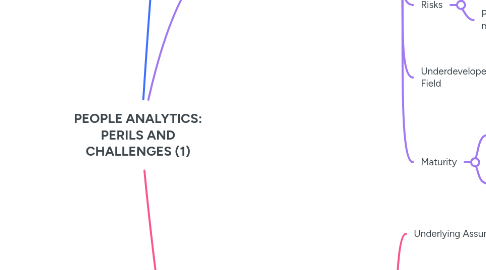
1. Introduction
1.1. Background
1.1.1. Growing Use of People Analytics in Organizations
1.1.1.1. Increasing integration of data analysis in HR practices
1.1.1.2. Adoption by companies to improve decision-making processes
1.1.1.3. Leveraging technology to enhance workforce management
1.1.2. Potential Benefits and Drawbacks of People Analytics
1.1.2.1. Benefits
1.1.2.2. Drawbacks
1.2. Purpose of the Paper
1.2.1. To Identify Potential Perils of People Analytics
1.2.2. To Theorize About Their Negative Consequences for Organizations and Employees
2. Reviewing the Current State of People Analytics Literature
2.1. Methodology
2.1.1. Systematic Literature Review Using Theme-Centered Reviewing Approach
2.1.2. Analysis of Emerging Themes, Patterns, and Trends
2.2. Findings
2.2.1. Five emerging themes
2.2.2. Underdevelop areas in the field
2.3. Opportunities
2.3.1. Enhanced decision-making capabilities
2.4. Barriers
2.4.1. Technical challenges and limitations
2.4.2. Resistance to change within organizations
2.5. Idiosyncrasies
2.5.1. Unique characteristics and applications in different industries
2.5.2. Variability in implementation and outcomes
2.6. Risks
2.6.1. Ethical and legal concerns
2.6.2. Potential for misuse and negative impacts
2.7. Underdeveloped Areas in the Field
2.7.1. Rigorous Empirical Studies
2.7.2. Analysis of Advanced Forms of People Analytics
2.8. Maturity
2.8.1. Levels of adoption and integration of people analytics
2.8.2. Development stages of people analytics tools and methodologies
3. The Perils of People Analytics
3.1. Underlying Assumptions
3.2. Superiority of Algorithms Over Human Decision-Making:
3.2.1. Belief in the infallibility of data-driven decisions
3.2.1.1. Potential for innovation in HR practices
3.2.2. Underestimation of the value of human judgment and intuition
3.3. Reduction of Bias and Increase of Transparency:
3.3.1. Assumption that algorithms are inherently unbiased
3.3.2. Overlooking potential biases in data collection and analysis
3.4. Precise Extrapolation of Future Behavior
3.4.1. Expectation that past data can accurately predict future outcomes.
3.4.2. Ignoring the complexity and unpredictability of human behavior
3.5. Equal Applicability of Learning Algorithms to Inanimate Objects and Humans
3.5.1. Treating human behavior as predictable as machine processes
3.5.2. Failing to account for the nuances of human emotions and interactions
3.6. Six Perils of People Analytics:
3.6.1. Reduced Employee Autonomy and Decision-Making:
3.6.2. Devaluation of Managerial Competence:
3.6.3. Mechanization of Work and Alienation of Employees
3.6.4. Over-Reliance on Data and Algorithms
3.6.5. Lack of Transparency and Accountability
3.6.6. Potential for Bias