
Media and Information Literacy

Explore our comprehensive mind map that illustrates a detailed understanding of Media and Information Literacy. Delve into the importance, types, and definitions of media and information. Learn the intricacies of traditional and digital media, including various platforms like Facebook, Instagram, TV, and blogs. Discover techniques to access, evaluate, and share information responsibly using digital tools; whether it's using online sources or conducting fact-checking. The mind map also outline...

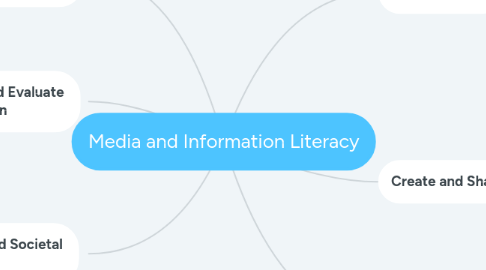
1. Understanding Media and Information
1.1. Definition of Media and Information
1.2. Importance of Media and Information Literacy
1.2.1. Skill Development
1.2.2. Decision-Making
1.2.3. Citizenship
2. Access and Evaluate Information
2.1. Information Sources
2.1.1. Online
2.1.2. Libraries
2.1.3. Books
2.2. Evaluation Techniques
2.2.1. Source Reliability
2.2.2. Fact Checking
3. Legal, Ethical, and Societal Issues
3.1. Media Law
3.2. Media Ethics
3.3. Freedom of Speech vs. Hate Speech
3.4. Digital Citizenship
3.4.1. Privacy and Security
3.4.2. Online Identity
3.4.3. Online Relationships and Communication
4. Types of Media
4.1. Traditional Media
4.1.1. Newspapers
4.1.2. Television
4.1.3. Radio
4.2. Digital Media
4.2.1. Social Media
4.2.1.1. Facebook
4.2.1.2. Instagram
4.2.1.3. Twitter
4.2.2. Online Newspapers
4.2.3. Blogs
5. Create and Share Information
5.1. Digital Tools for Creating Information
5.1.1. Blogging Platforms
5.1.2. Image Editors
5.1.3. Video Editors
5.2. Responsible Sharing
5.2.1. Fact Checking before Sharing
5.2.2. Stardards for Sharing
5.2.2.1. Privacy
5.2.2.2. Copyright
5.2.2.3. Ethics