


CFO1
저자: huyen trang
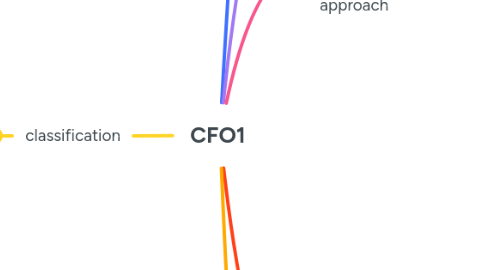
1. classification
1.1. interest received
1.2. interest paid
1.3. div received
1.4. div paid
1.5. bank overdraft
1.6. tax paid
2. CLASSIFICATION
2.1. CFO: Cash collect from sales, cash inputs into the manufacturing or retail process, cash operating expense, cash IE and income, cash dividend revenue, cash tax payments
2.2. CFI: SALE/ PURCHASE ASSET ( NOT INCLUDE GAIN/LOSS), INVESTMENT/SALES IN marketable securities
2.3. CFF: cash div paid, long term borrowings, stock( equity) sales/ repurchase, note: the issuance of CM stock would not affect CFF
3. Ưu nhược điểm của direct method: 1. provide infor on the specific sources . 2. help assess a company 's financing needs and capacity to repay existing obligations
4. ưu nhược điểm của indirect method: 1. shows the differences between NI and CFO. 2. Easier and less costly. 3. Mirror a forecasting approach
5. DIRECT METHOD
5.1. CFO
5.1.1. Ending AR= Beg AR + Revenue - cash collected from customers
5.1.2. Ending AP= Beg AP + Purchases - Cash paid to suppliers
5.1.3. Ending Inv= Beg Inv + Purchases - COGS
5.1.4. Ending WP= Beg WP + Salary expense - cash paid to employees
5.1.5. Ending IP= Beg IP + IE - cash paid for interest
5.1.6. Ending TP= Beg TP + Income tax expense - cash paid for income tax
5.2. CFI
5.2.1. Ending FA= Beg FA + FA purchased - FA sold ( historical cost)
5.2.2. Ending AD= Beg AD + depreciation expense - AD on FA sold
5.2.3. Cash received from sale of equipment = NBV + gain/loss on sale
5.3. CFF
5.3.1. Ending RE= Beg RE + NI - Dividends