Unlock the full potential of your projects.
Try MeisterTask for free.
还没有账户?
免费注册
浏览
精选思维导图
分类
项目管理
业务与目标
人力资源
头脑风暴与分析
营销与内容
教育与笔记
娱乐
生活
科技
设计
概要
其他
语言
English
Deutsch
Français
Español
Português
Nederlands
Dansk
Русский
日本語
Italiano
简体中文
한국어
其他
显示完整思维导图
复制和编辑思维导图
复制
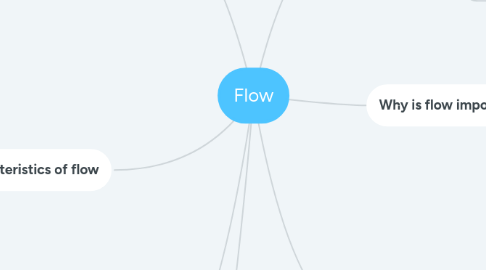
Flow
教育与笔记
CB
Corrina Barnett
关注
Topics drawn from the book The Positive Pianist
马上开始.
它是免费的哦
使用Google 注册
或
注册
使用您的电邮地址
类似的思维导图
思维导图概述
Flow
作者:
Corrina Barnett
1. How to achieve flow
1.1. Teach students how to be aware when they are in flow
1.2. Encourage student collaboration
1.3. Teach students about the stages of learning so they can monitor their progress.
1.4. Simplify the challenge if it is to far above students skill level
1.5. "Create conditions conducive to the emergence to full concentration" (p.16)
1.6. Be clear about your goals with students at all times.
1.7. Teachers should find ways to revitalize routine practices such as scales
2. Characteristics of flow
2.1. Challenge is slightly above students skill level
2.2. Students show are at a high level of concentration and are completely engaged
2.3. Goals are clear
2.4. Students are not afraid to make mistakes
2.5. Students are not self-conscious
2.6. Students lose sense of time when they are in flow
3. Be mindful about your practice
3.1. It takes flow twenty to thirty minutes to occur so students need to learn how to be mindful about their practice
3.2. This long wait can cause students to experience boredom
3.3. Students need to learn how to begin their practice
3.4. Students can avoid boredom by starting with a piece that brings them immediate joy
3.5. Students can start their practice by recalling a section in their music that they have almost mastered
4. Be positive
4.1. Shaming students leads to disengagement
4.2. Self-doubt can lead students to make more errors
4.3. Negative self-talk can lead students to stop wanting to perform the skill
4.4. Teach students to practice radical acceptance
4.5. Students should praise themselves when something goes better than they expected
5. What is flow
5.1. “A peak experience of enjoyment and full concentration” (p.2)
5.2. Getting students to love what they are doing
5.3. "occurs when there is a balance between perceived challenges and perceived skills" (p.37)
5.4. a pragmatic approach to teaching
6. Why is flow important
6.1. Students who experience flow will learn to make their own musical decisions
6.2. Students become intrinsically motivated
6.3. Students will want to perform this challenge increasingly more each time they achieve flow
6.4. Teaching students how to be in flow can lead to the teacher also being in flow which can lead to a crossover process
7. Phases of learning
7.1. The three phases of learning are cognitive, associative, and autonomous.
7.2. During the cognitive stage students will experience high levels of concentration
7.3. During the associative stage students will gradually improve consistency and coordination
7.4. During the autonomous stage students are mastering the skill and do not need much mental intervention.
7.5. In the final stage of learning students are able to
马上开始吧。是免费的!
与Google服务连接
或
注册