


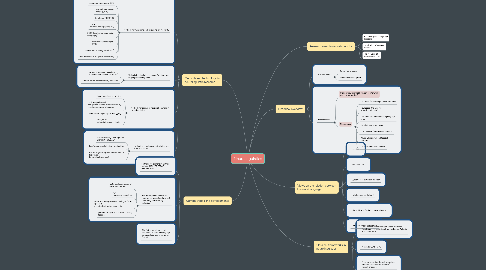
1. Methods and technology in neurolinguistic research
1.1. Methods for measuring and visualizing brain activity
1.1.1. computed tomography (CT)
1.1.2. magnetic resonance imaging (MRI)
1.1.3. functional MRI (fMRI)
1.1.4. positron emission tomography (PET)
1.1.5. SPECT (single photon emission tomography)
1.1.6. electroencephalography (EEG)
1.1.7. Magnetoencephalography (MEG)
1.1.8. TMS (transcranial magnetic stimulation)
1.2. Methods for simulating language functions and language loss using ANN
1.2.1. symbol processing (based on traditional box-andarrow models)
1.2.2. artificial neural network (ANN) modelling
1.3. Methods for studying linguistic behaviour in neurolinguistics
1.3.1. heavy emphasis on off-line
1.3.2. on-line experimental designs and testing, supplemented by questionnaires and interviews
1.3.3. video recording or keystroke logging
1.3.4. analysis of naturalistic communication
1.4. Methods and technologies in clinical and other applications
1.4.1. the Boston Diagnostic Aphasia Examination (BDAE)
1.4.2. Luria’s neuropsychological investigation
1.4.3. PALPA (Psycholinguistic Assessment of Language Processing in Aphasia)
2. Current trends and developments
2.1. Further development of methods such as fMRI, PET, SPECT, MEG and TMS
2.2. The development and use of more varied and refined ways of measuring and analysing behaviour
2.2.1. multimodal registration of interaction patterns
2.2.2. eye movement recordings
2.2.3. automatic recognition and tracing of faces, speakers, magnitude of body movements
2.2.4. phonetic analysis of voice and prosody features
2.3. The further development of simulation of brain and language using artificial neural networks (ANN)
3. Research areas in neurolinguistics
3.1. Brain damage and language disorders
3.2. Localization of language function
3.3. The evolution of language and brain
4. Historical overview
4.1. Ancient times
4.1.1. Egypt (trepanation)
4.1.2. Greece(Plato thoughts)
4.2. Modern times
4.2.1. 17th century (conflict between soul/church) and brain/scientists)
4.2.2. 19th century
4.2.2.1. Gall ideas (Gall and Spurzheim 1810–19)
4.2.2.2. Paul Broca (the area for speech production)
4.2.2.3. Carl Wernicke (understanding language area)
4.2.2.4. Lichtheim(concept center)
4.2.2.5. J. H. Jackson (holistic development)
4.2.2.6. Marie, Glodstein, Head (gestalt therapy)
4.2.2.7. Geschwind (aphasia review)