


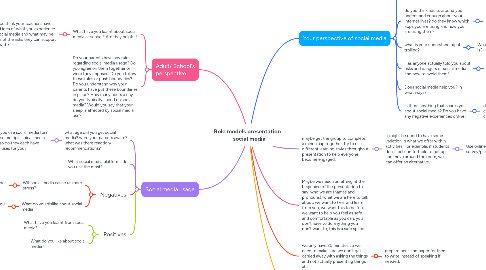
1. Your perspective of social media
1.1. privacy settings, sharing of personal data and information. you probably know more about this than us, so it is a really good opportunity for you to become the educator and educate us on what is out there and what we do not know
1.1.1. We don't want this to be a boring session for you, we want you to enjoy it. Is there anything we can do to help this?
1.2. do you think adults around you understand enough about your internet lives? do they know which apps you are using and how you are using them?
1.2.1. how do we use apps now?back then?? contrast/ open conversation
1.3. what is your understanding of trolling?
1.3.1. What do you think cyberbullying is?
1.4. Has anyone actually told you about risks and dangers of social media and how to avoid them?
1.4.1. Do you feel like there's any guidance online or help for this?
1.5. Does social media help you? In what ways?
1.6. Is there anything that scares you about social media? Do you have any negative experiences online?
1.6.1. do you have a trusted adult you could go to if you had any concerns or anxieties?
2. maybe get the group to complete a mind-map together. try to use different learning styles throughout presentation to help everyone become engaged.
2.1. It might be good to have some variation in what we offer within activities. For example, if students don't feel comfortable to get up and move around the room, we can offer an alternative.
2.1.1. Use online quizzes or kahoot or survey/padlet
2.1.1.1. Pair work and while everyone is talking move around the room and chat to the pairs or small groups and hear what they think so you can listen to what students think even if they don't feel confident to speak up in front of everyone
3. Maybe we need something at the beginning of the presentation to say: who we are (names and pronouns), what we are here to talk about, we want to hear and learn from you, we want this to be fun, we want to help you feel as safe and comfortable as you can, you don't have to do anything you don't want to, this is a safe space
4. Adult/ School's perspective
4.1. What have you learnt about social media at school? Are they helpful?
4.1.1. Do you think your teachers have a good idea of what you experience on social media and what may be some of the risks they can support you with?
4.2. Do your parents have any rules regarding social media usage? Do you agree on them together or were they imposed. Do you follow these rules or push boundaries? Do you understand why your parents have put these boundaries in place? How many hours a day do you typically spend on social media? Would you say that your sleep is affected by social media use?
5. Social media usage
5.1. what age did you get social media? were your parents aware? what was there reaction/ recommendations?
5.1.1. what do you use social media for? do you use multiple soical media sites? if so do they each have different uses for you?
5.2. What social media platforms do you use the most?
5.3. Negatives
5.3.1. Will social media cause us more stress?
5.3.1.1. Did you have any sleep disorder because of the SM use.
5.3.1.1.1. Do you have any anxiety by looking at those ideal stature/ fancy life on SM
5.3.2. What do you dislike about social media?
5.3.2.1. Is there anything that scares you about it?
5.4. Positives
5.4.1. What have you learnt from social media?
5.4.2. What do you like about social media?