LDES 501 | Fall 2022: Session 11 (Eric and Stacy)
作者:Yianna Vovides
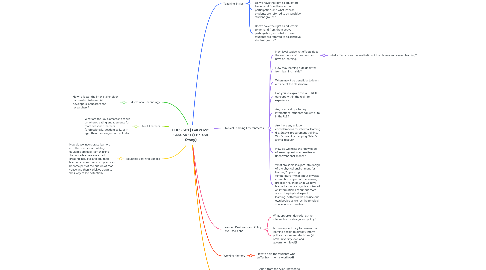
1. Educational Technology
1.1. How to foster the inter-stakeholder partnership between AI developers, educators and researchers?
2. Adult Learners
2.1. What are the key elements to focus on when creating engagements for more seasoned learners (professionally, academically, or in age) than the designer or facilitator
3. Equitable Learning Spaces
3.1. How do we incorporate learners into the practice of building equitable spaces? I am thinking that once learners are a part of creating inclusive and equitable learning spaces then such practices become part of the culture of that space and then it trickles down to their way of life potentially.
4. Teaching Styles
4.1. How do teaching styles fit into the classroom?
4.2. Do we have the right as educators to demand from them active participation, and what if these students are referred to as sensitive student groups?
4.3. Do we have the right as educators to demand from them active participation, and what if these students are referred to as sensitive student groups?
4.4. Do we have the right as educators to demand from them active participation, and what if these students are referred to as sensitive student groups?
5. Physical Learning Environments
5.1. Next level topicwhat effects does the aesthetics of the classroom have on learning?
5.1.1. what effects does the aesthetics of the classroom have on learning?
5.2. How may learning outside differ from learning inside?
5.3. When may it be beneficial to learn outside of the classroom?
5.4. Can you re-explain the WHERETO concept within the real-life experience
5.5. Any practical tips to help international students adjust to life in the U.S.?
5.6. Are there any unique considerations for informal learning (i.e. Stacy's procurement training, Won's disability mapping, Salvo's animal rescue).
5.7. How do we make the knowledge of learning design accessible in unconventional spaces?
5.8. What are some insights into design of the physical environment for learning? Space, light, temperature? What about physical interaction as part of the learning process? Much of what we have learned about is cognitive or based on information. I'm curious more about the physical aspect of learning, both how we can use our own bodies as well as the physical space in which we learn.
6. Learning Designers and Policy Level Decisions
6.1. What opportunities exist at the intersection of design and policy?
6.2. Is there opportunity for research on learning design to directly inform policy changes and decisions (at both university level and government level)?
7. Working Memory
7.1. How to help the students who suffer from mental workload?
8. Threshold Concept
8.1. Apart from the Alien knowledge and tacit knowledge, how do we properly train our brain to recall and enhance both ritual knowledge and inert knowledge?
8.2. As the instructional designer, any advice on how to gain “the investment of trust” from the school administration faculty?


