


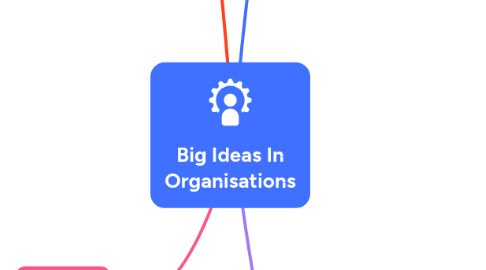
1. The External Business Environment
1.1. Steeple Analysis
1.2. Outsourcing
1.2.1. Onshore or Offshore
1.2.2. Reduce Costs
1.2.3. Access to Skill
1.3. International Trade
1.3.1. Comparative Advantage
1.3.2. Trade Policies
1.4. Migrant Workers
1.4.1. Skill Shortages
1.4.2. Immigration Policies
1.5. Globalisation
2. The Market
2.1. Orientation
2.1.1. Sales Orientation
2.1.1.1. Selling Products
2.1.2. Marketing Orientation
2.1.2.1. Satisfying Requirements
2.2. Mission
2.2.1. Specific
2.2.2. Fulfill Needs
2.2.3. Achievable
2.3. Marketing Environment
2.3.1. Micro Environment
2.3.1.1. Customers
2.3.1.2. Marketing Intermediaries
2.3.1.3. Suppliers
2.3.1.4. Competitors
2.3.1.5. Publics
2.3.2. Macro Environment
2.3.2.1. Social
2.3.2.2. Technological
2.3.2.3. Economic
2.3.2.4. Environmental
2.3.2.5. Political
2.3.2.6. Legal
2.3.2.7. Ethical
2.3.3. Competitive Advantage
2.3.3.1. Cost Leadership
2.3.3.2. Differentiation
2.3.3.3. Focus
2.4. Marketing Research
2.4.1. Primary Research
2.4.2. Secondary Research
2.4.3. Qualitative
2.4.4. Quantitative
2.5. Focusing
2.5.1. Segmentation
2.5.1.1. Demographic
2.5.1.2. Geographic
2.5.1.3. Psychographic
2.5.1.4. Behavioural
2.5.2. Targeting
2.5.2.1. Undifferentiated
2.5.2.2. Differentiated
2.5.2.3. Concentrated
2.5.2.4. Customised
3. The Marketing Mix
3.1. Traditional Marketing Mix
3.1.1. Product
3.1.1.1. Design
3.1.1.2. Development
3.1.1.3. Branding
3.1.2. Place
3.1.2.1. Distribution Channels
3.1.2.2. Collaborative Distribution
3.1.2.3. Multi-Channel Distribution
3.1.3. Promotion
3.1.3.1. Promotion Mix
3.1.3.2. Communication Process
3.1.3.3. Awareness and Familiarity
3.1.4. Pricing
3.1.4.1. Cost Based
3.1.4.2. Competitor Based
3.1.4.3. Customer Based
3.2. Extended Marketing Mix
3.2.1. People
3.2.1.1. Staff
3.2.1.2. Human Resources
3.2.1.3. Relationships
3.2.2. Process
3.2.2.1. Efficiency
3.2.2.2. Visibility
3.2.2.3. Delivery
3.2.3. Physical Evidence
3.2.3.1. Service Quality
3.2.3.2. Representative
3.2.3.3. Differentiation
4. Management
4.1. Operations Strategy
4.1.1. Capacity and Facilities
4.1.1.1. How Much?
4.1.1.2. Where?
4.1.1.3. When?
4.1.1.4. What?
4.1.2. Supply Chain Dovelopment
4.1.2.1. How much do we own?
4.1.2.2. How many Suppliers?
4.1.2.3. How global?
4.1.2.4. Outsource?
4.1.3. Technology
4.1.3.1. How automated?
4.1.3.2. How integrated?
4.1.3.3. How dedicated?
4.1.4. Workforce
4.1.4.1. How hierarchical?
4.1.4.2. How to group departments?
4.1.4.3. What skills?
4.2. Product and Service Design
4.2.1. New Product Development
4.2.1.1. Incremental Enhancement
4.2.1.2. New Generation
4.2.1.3. Breakthrough
4.2.2. Design Process
4.2.2.1. Generation
4.2.2.2. Screening
4.2.2.3. Preliminary
4.2.2.4. Improvement
4.2.2.5. Final Design
4.3. Raising Finance
4.3.1. Retained Earnings
4.3.2. Working Capital
4.3.3. Debt Factoring
4.3.4. Banks
4.3.5. Lease
4.3.6. Equity