ADD/ADHD
作者:Ashton Hofmeister
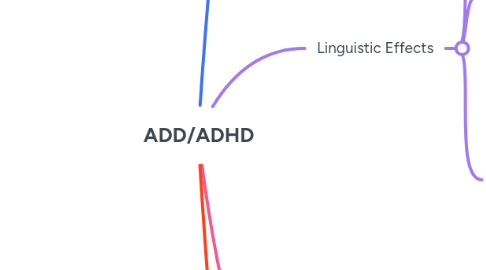
1. Cognitive Effects
1.1. ADD/ADHD is a condition that causes student's to struggle with attentiveness. Student's struggle with focusing, remaining quiet and/or still, and become distracted easily.
1.2. With ADHD, students struggle to remain organized, follow instructions, and adhering to a routine.
1.3. Accommodations: To help students with ADHD, teachers can design graphic organizers and post schedules, rules, and instructions for these students in an accessible format that can be referenced throughout their day (National Dissemination Center for Children with Disabilities, 2025).
2. Linguistic Effects
2.1. Children with ADHD encounter linguistic issues Such as excessive speaking, difficulty abstaining from making noise during quiet periods, and rapid speech.
2.2. Rapid and disorganized speech can create articulation issues. While the inability to remain quiet can act as a distraction and disrupt their opportunity to listen for others and instructions.
2.3. Accommodations: Teachers can enforce active listening and facilitate a setting where the studetn stays on task by asking questions that guide the student to stay on task. By asking the student questions about what they are doing, they can remain focused on what they are actively doing (Brain Balance Achievement Centers, 2025).
3. Social Effects
3.1. Students with ADHD can struggle with social cues, waiting for their turn in conversations, and staying on topic.
3.2. Student's with ADHD can face peer rejection, bullying and low self-esteem.
3.3. Accommodations: Teachers can assign a peer partner to the special needs student (CHADD, 2025).
4. Emotional Effects
4.1. Students with ADHD have difficulty focusing and can be easily distracted. Having to hold still and focus on one thing when their mindis racing can be overwhelming and stressful.
4.2. The stressful feelings may result in modd swings or cause students to experience intense emotions.
4.3. Accommodations: Teachers can help provide relief from these stressful moments by allowing the student to take breaks (NICHCY, 2025.)


