


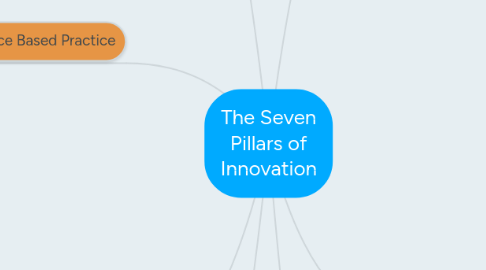
1. Evidence Based Practice
1.1. Clinical expertise
1.1.1. personal
1.1.1.1. expeirences
1.2. Research
1.2.1. best
1.2.1.1. available
1.2.2. most
1.2.2.1. relevant
1.3. Patient
1.3.1. Values
1.3.2. Preferences
1.4. Steps
1.4.1. Question
1.4.1.1. about
1.4.1.1.1. patient
1.4.2. conduct
1.4.2.1. research
1.4.3. Determine
1.4.3.1. research
1.4.3.1.1. Validity
1.4.3.1.2. Usefulness
1.4.4. Work
1.4.4.1. with
1.4.4.1.1. patient
1.4.5. Evaluate
1.4.5.1. Self
1.4.5.2. Patient
1.4.5.2.1. quality of life
2. Finance
2.1. Funding
2.1.1. Clinical trials
2.1.2. Hospitals
2.1.3. Clincis
2.1.3.1. Free
2.1.4. Research
2.1.4.1. Cures
2.1.4.1.1. Innovation
2.1.4.1.2. Diseases
2.1.4.2. New
2.1.4.2.1. Anitbiotics
2.1.4.2.2. Antimicrobials
2.2. Health policy
2.2.1. Health insurance coverage
2.2.2. Health care spending
2.2.3. Physician payment
2.2.4. Access
2.2.4.1. To care
2.3. Management
2.3.1. Money
3. Policy
3.1. Health Policy
3.1.1. Medicare
3.1.1.1. Physicians payment
3.1.1.1.1. MACRA
3.1.1.1.2. CMS
3.1.1.1.3. How much to pay them
3.1.2. Affordable care act
3.1.2.1. Increased
3.1.2.1.1. Health insurance coverage
3.1.3. Health care spending
3.1.3.1. Highest
3.1.3.1.1. GDP
3.1.4. Personal
3.1.4.1. Code of conduct
3.1.4.1.1. Nursing code of ethics
3.1.4.1.2. Physicians oath
3.1.4.1.3. Benfience
3.1.4.1.4. Patients advocate
4. Technology and Communication
4.1. Medical Technology
4.1.1. Advancements
4.1.1.1. Earlier Diagnosis
4.1.1.2. Personalized
4.1.1.2.1. Treatments
4.1.1.3. Examples
4.1.1.3.1. Google glass
4.1.1.3.2. 3D printing
4.1.1.3.3. Robot
4.1.1.3.4. Health check chair
4.2. Preventative
4.2.1. Patient care
4.2.1.1. Switch
4.2.1.1.1. "Sick care"
4.3. Everyday techology
4.3.1. iPhones
4.3.1.1. Built in
4.3.1.1.1. Health tracking
4.3.1.2. Health information
4.3.1.2.1. accessibile
4.3.2. Wristbands
4.3.2.1. Fitnesss
4.3.2.1.1. trackers
5. Innovation Process
5.1. Need
5.1.1. New ideas
5.1.1.1. Cures
5.1.1.2. Antibiotics
5.1.2. Restructure
5.1.2.1. Outdated
5.1.2.1.1. Systems
5.1.2.1.2. Science
5.1.2.1.3. Information
5.1.2.1.4. Frames
5.1.2.1.5. Drugs
5.2. Challenge
5.2.1. Disease
5.2.1.1. Uncurable
5.2.1.1.1. Lou Gehrigs Disease
5.2.1.1.2. Muscular Dsytrophy
5.2.1.1.3. Cancer
5.2.1.1.4. Alzheimer's
5.2.1.2. Virus's
5.2.1.2.1. New
5.2.1.2.2. Adapting
5.2.2. Services
5.2.2.1. Availability
5.2.2.2. Patient
5.2.2.2.1. Care
5.3. Implementation
5.3.1. Trying
5.3.1.1. New Ideas
5.3.1.1.1. Evaluating
6. Leadership Structure
6.1. Foundation
6.1.1. Societys
6.1.2. Organizations
6.1.3. Governments
6.1.4. Hospitals
6.1.4.1. Board of Directors
6.1.4.2. Intern
6.1.4.2.1. FIrst year
6.1.4.3. Resident
6.1.4.4. Chief of Surgery
6.1.4.5. Attendee
6.1.4.6. Patients
6.1.4.7. Nurses
6.2. Leaders
6.2.1. Strengths
6.2.1.1. Recognition
6.2.1.2. Foreman
6.2.1.3. Initiator
6.2.1.4. Planner
6.2.1.5. Structurer
6.2.1.6. Prudent
6.2.1.7. Charismatic
6.2.2. Weaknesses
6.2.2.1. Assertive
6.2.2.2. Prompt
6.2.2.3. Controlling
6.2.2.4. Greedy
6.2.2.5. Unattentive
7. Outcomes
7.1. Result
7.1.1. Implementing innovations
7.1.1.1. New technology
7.1.1.2. New scientific
7.1.1.2.1. discoveries
7.1.2. Using evidence practive
7.1.2.1. patient outcomes
7.1.2.1.1. quality of life
7.1.2.2. Physicians self evaluation
7.1.3. Health policy
7.1.3.1. reforms
7.1.3.1.1. Health care spending
7.1.3.1.2. Physicians payment
7.1.3.1.3. Health insurance coverage