


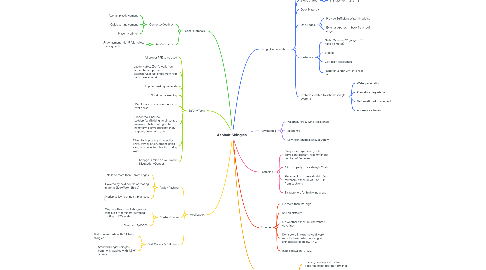
1. Other Materials
1.1. Cements/Coatings
1.1.1. Asphalt plastic cement
1.1.2. Quick setting cement
1.1.3. Masonry primer
1.2. Roofing fabric
1.2.1. Underlayment (No.15 felt; follow building codes)
2. Safety/Tools
2.1. All proper PPE to be used
2.2. Ladder safety (Don't work from ladder, tie off, proper extension/set-up, brace from roof deck if necessary)
2.3. No point loading materials
2.4. Good house keeping
2.5. Don't work in poor weather or on wet decks
2.6. Proper tools include Ladders/scaffolidng, folding/tape measure, chalk, roofing knife, hammer/nailer/roofer's hatchet, staplers/pneumatic gun
2.7. Clean tools properly (Use putty knife, trowel, brush, broom, chisel, saw, flat shovel for cleaning during work)
2.8. Keep your mind on your work; Distraction=Danger
3. Application
3.1. Valley flashing
3.1.1. Nails no more than 1" from edges
3.1.2. Covered by next course of roofing material (Ice/Water Shield)
3.1.3. Overlap valley flashing strip at least 6"
3.2. Starter Course
3.2.1. May be either row of shingles with tabs cut off or mineral surfaced roofing roll 7"+ wide
3.2.2. Overhang 1/4"-3/8"
3.3. First Course & Following
3.3.1. First course starts with full length shingles
3.3.2. Standard length shingles commonly applied with 4,5,6'" offsets
4. Design Considerations
4.1. Ventilation (Heating/Cooling)
4.1.1. Min. 1sq. ft. ventilation for 150 sq. ft. of attic floor space
4.2. Slope of Roof
4.2.1. Shingles for 4:12- 21:12
4.3. Deck Materials
4.4. Drip Edges
4.4.1. Provide Sufficient Water Shedding
4.4.2. Extends Approx. 4" back from roof edge
4.5. Fasteners
4.5.1. Nails (Minimum 12 gauge, 3/8" head diameter)
4.5.2. Staples
4.5.3. Corrosion Resistance
4.5.4. Fastener Length 3/4" into roof deck
4.6. Problems related to ashpalt shingle systems
4.6.1. Water penetration
4.6.2. Premature degradation
4.6.3. Deformation/displacement
4.6.4. Appearance issues