

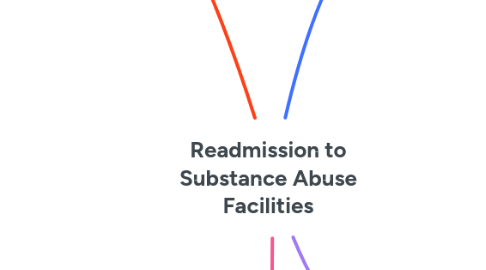
1. Causes/Contributing Factors
1.1. Staff
1.1.1. Executive/Owners/Funders
1.1.1.1. Lack of clinically licensed leaders
1.1.1.2. Lack of understanding of treatment delivery
1.1.1.3. Disengaged from staff and staff needs
1.1.1.4. Failure to create healthy culture
1.1.2. Administration/Management
1.1.2.1. Not appropriately supported
1.1.2.2. not adequately staffed/wearing multiple hats
1.1.2.3. competing metrics among dept heads
1.1.3. Direct Care Staff
1.1.3.1. Limited resources
1.1.3.2. lack of ongoing development
1.1.3.3. burnout/compassion fatigue
1.2. Programming
1.2.1. Budget Limitations
1.2.1.1. No specialty trainings
1.2.1.2. Limited activities/amenities/resources
1.2.2. Lack of appropriate/effective curriculum
1.2.3. Lack of integration of family/community supports during treatment
1.2.4. limited services
1.3. Client Readiness
1.3.1. Client's in precontemplation state of change
1.3.2. Lack of support outside of treatment
1.4. Environment
1.4.1. Work environment/staff relations
1.4.2. Treatment space (comfort, staff/client rapport, client-client interactions)
2. Consequences
2.1. Poor treatment outcomes
2.1.1. repeated admissions associated with shorter sobriety lengths and poor health outcomes
2.2. impact on staff
2.2.1. Morale
2.2.2. burn-out
2.2.3. decreasing professional confidence
2.3. Less clients served
2.4. Wasted resources
3. Previously attempted/failed solutions
3.1. Prioritize Against Medical Advice Discharges only
3.1.1. Unequal hyperfocus on the clinical team and process and disengagement from other improving all other departments.
3.2. Lack of contingency plan/protocol to reduce unplanned discharges
3.2.1. Each staff member has their own method and is therefore not repeatable.
3.3. Minimal focus on staff development/appreciation
3.4. Increasing privileges/non-essential amenties
3.5. Unequal enforcement appropriate clinical course
3.5.1. not addressing group attendance
3.5.2. not encouraging family/support engagement
3.5.3. treatment plans are not collaborative or integrated.
4. Potential Solutions
4.1. Improving staff factors
4.1.1. Staffing determined by efficacy (capacity of team) and financial margin, including discharge team
4.1.2. Emphasis on company culture, staff support, training
4.2. Improvement to clinical programming
4.2.1. building a systems framework
4.2.1.1. family psychoeducation, sessions, grou\ps, etc
4.2.1.2. comprehensive discharge planning
4.2.1.3. alumni aftercare, events, follow-up
4.2.1.4. effective and detailed curriculum/service delivery
4.3. Process Improvement Program
4.3.1. Choosing the appropriate accrediting body and utilizing their process as a guideline (CARF, JC, etc)