


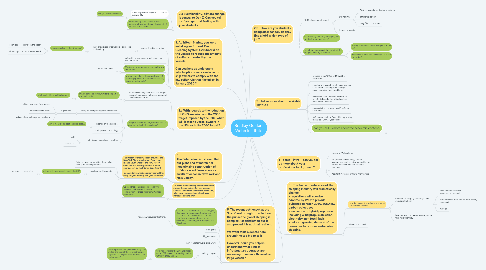
1. 4.a There are been many recent discussions around the Jones Act. Can you help our listeners understand what is the Jones Act, what were the objectives when it was introduced during WW1
1.1. we read that constraints imposed by he Jones Act risk to slow down the construction of those wind farms? what do you think?
2. 2.c Sustainability, climate change is central to Gen Z. Can you tell us if you get that feeling with your students,
2.1. students personal projects ==> toward sustaina ility
2.1.1. can you provide examples
2.2. has Webb adjusted its cursus to the upcoming transformation of the industry & appetite of the students
3. 3. At Tritech Marine, you were installing an Exhaust Gas Cleaning System (scrubbers) on the vessels to reduce the amount of sulfur exhausted by the vessels. Can you help us understand which options were available to ship owners to comply with the low sulfur rule that kicked off in January 2020 ?
3.1. option 1 - add a scrubber
3.1.1. there are 2 types of scrubbers - open loop or close loop
3.1.1.1. can you explain us the difference?
3.1.1.1.1. open loop ==> sulfure in the ocean
3.1.1.1.2. close loop => sulfur in a waste tank
3.2. option 2 - change engine a different fuel = low sulfur fuel
3.3. Why installing scrubbers vs burning the low sulfur fuel?
3.3.1. economic reason,
3.4. In your view, what is the proportion of US boats equipped with scrubbers vs actually using low sulfur fuels?
4. 3.a With regards to the reduction of GHG emission and the 2030 target imposed by the IMO, what will it take to vessel owners in the US reach the 2030 target?
4.1. maritime shipping is the least polluting of transport, compared to trucks... amount of CO2/ton transported
4.1.1. in NYC NJ could waterways take on part of the truck traffic?
4.1.1.1. what would it take so this happen?
4.2. The professional you are, does he think the goal set by the IMO is reachable?
4.2.1. today no clear path / guidance from IMO
4.2.1.1. regulations
4.2.1.1.1. driven by events from society
4.2.1.1.2. driven by social norms
4.2.1.1.3. today = climate change, zero emission
4.2.2. depends on the baseline,
4.2.2.1. how is measured a boat emission today?
4.2.3. on adoption of technology
4.2.4. on adoption of incentives / penalties
4.2.4.1. CSR
4.2.4.2. carbon tax
5. 4 The Biden administration rolled out plans end of march for incentivizing construction of offshore wind farms across a swath of ocean in New York and New Jersey.
5.1. The stretch of shallow ocean known as the New York Bight, which spans from Long Island’s South Shore to the New Jersey coastline, will be designated as a “wind energy area” by the Interior Department Can you tell us what opportunities will this bring for your industry and your students?
5.1.1. Building those farms, wiring them to land are big maritime operations.
5.1.2. new boats will be needed
5.1.2.1. will we build new vessels here in the US?
5.1.2.1.1. not sure, too expensive
6. 5. The recent bottleneck at the Suez Canal brought to attention the public the global shipping is complex / sophisticated but it also proved it is not that resilient. We wont start a debate here around the too big to sail; However, could you help us understand what kind of infrastructure upgrades are necessary to receive those ultra large vessels?
6.1. One clear consequence - ports are bigger than ever, for instance port authority of NY NJ has become a warehouse, containers stay there weeks sometimes. In the meantime, secondary ports are dying. Will this change
6.1.1. how can we reverse this trend?
6.2. dredgeing
6.3. bigger cranes
6.4. new roads for trucks, or railways
6.5. raising bridges
6.5.1. for instance raising the Bayonne Bridge was a 1.7B$ project financed by the Port Authority of NY and NJ.
6.5.1.1. More important, who pays eventually? Do we feel the cost of those infrastructure upgrades on the goods we receive? or on our tax sheet?
7. 2 - Tell us more about the Webb Institute
7.1. founded in the 1800s by Mr Webb, a shipbuilder
7.2. industry was going through major changes - propulsion transiting from sailing to steam, materials from wood to iron
7.3. he saw the need to create a school to transfer knlowedge his retired workers became the teachers
7.4. campus in the bronx until WW2, in Glenn Cove since
7.5. 100 students, tuition free, still today, mainly thanks to alumni, 3 year cursus
7.6. can you tell us more about the academic content?
7.6.1. boat design
7.6.2. research
7.6.3. personal projects
7.6.4. introduce new ideas
7.6.5. drive industry
8. 2.b - How are you students doing after school? do they find a job? which type of job?
8.1. 100% placed out of school
8.1.1. 3/4 industry
8.1.1.1. 50% commercial marine transportation
8.1.1.2. offshore platform
8.1.1.3. navy / fed contractors
8.1.2. 1/4 post graduate
8.2. we read they land on good paying job. what is the average salary?
8.3. from there can you paint a portrait of the shipping industry in the US?
8.3.1. are any commercial boats being built in the us?
8.3.2. why? did we loose the knowledge? is it too expensive?
9. 6 - The frame of reference of the shipping industry will dramatically change: - regulations will soon be adopted by IMO to provide guidance to reach 2030/2050 low carbon objectives - innovation in hybrid propulsion, including wind propulsion, solar, electricity, non fossil fuels - but also growing demand of the consumer for a more sustainable shipping.
9.1. How do you see this industry changing? Can we wait and see?
9.1.1. commercial shipping has always been about profitability
9.1.1.1. sail => steam => diesel wood => iron => steel
9.1.1.2. more efficient, more power, more speed, more load
9.1.1.3. more $$
9.1.2. boat owners - more evolutionnary more than revolutionnary