

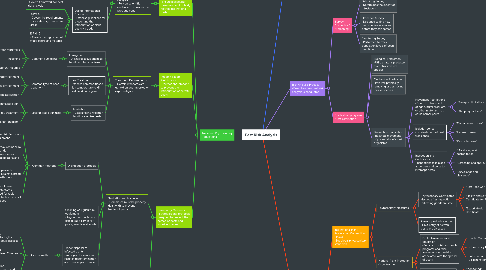
1. Trade and Phytosanitary Regulations
1.1. Prevention of Trade Barriers -Ensure biosecurity measures don't unfairly restrict international trade
1.1.1. Science Based Risk Analysis -Rely on scientific evidence to consider the pros and cons
1.1.1.1. Transparent decision making process
1.1.1.1.1. "Unbiased decision making"
1.1.1.1.2. "Honest and open procedures"
1.1.1.1.3. "Data driven decision making"
1.1.1.2. Use of International Standards -Establish guidelines for preventing the introduction of plant pests via trade
1.1.1.2.1. ISPM 2 -Covers framework for pest risk analysis
1.1.1.2.2. ISPM 4 -Covers the requirements for establishign pest-free areas
1.1.1.2.3. ISPM 15 - Covers the regulation of wood packagine material
1.2. Import / Export Restrictions -Restrictions intended to prevent the introduction of harmful pests
1.2.1. Treatment Requirements - Certain standards are upheld on any imported or exported good
1.2.1.1. Fumigation -Utilizes gaseous chemical to kill harmful organisms
1.2.1.1.1. Common Fumigants
1.2.1.2. Heat Treatment -Exposes commodities to high temperature to kill pests and pathogens
1.2.1.2.1. Common type of heat treatment
1.2.1.3. Irradiation -Uses ionizing radiation to kill or sterilize pests
1.2.1.3.1. Types of irradiation used
1.3. Biosecurity Measures -Strategies and protocols desgined to prevent the spread of pests and invasive species
1.3.1. Sanitation and Hygiene -Commerce must be properly dealt with to prevent tranfer of pests
1.3.1.1. Disinfection protocols
1.3.1.1.1. Common methods
1.3.1.2. Cleaning of Agricultural equipment -Argicultural machinery can act as a carrier for pests, weeds, and seeds
1.3.1.3. Proper disposal of infected plants -Improper disposal can result in recontamination and disease persistance
1.3.1.3.1. Disposal methods
1.3.2. Post disease surveilance -Plants must be monitored for any lingering symptoms and to ensure spread is minimized
1.3.2.1. Important aspects of plant disease surveilance
1.3.2.1.1. Regular monitoring
1.3.2.1.2. Early detection systems
1.3.2.1.3. Rapid resposne strategies
2. Invasive Species "Non-native organisms that may cause harm to ecosystems and agriculture"
2.1. Economic impact "Financial burden" "Economic disruption"
2.1.1. Crop Losses -Can result in billions of dollars of damage annually
2.1.1.1. Citrus -Includes oranges, lemons, and grapefruit
2.1.1.1.1. Asian Citrus Psylid -Small winger insect that feeds on the leaves and stems of citrus trees
2.1.1.2. Vegetables -Includes tomatoes, peppers, lettuce, and cabbage
2.1.1.2.1. Silverleaf Whitelfy -Tiny sap-sucking insect that targets vegetables
2.1.2. Trade restrictions -Pest outbreaks can result in export bans
2.2. Ecological Impact "Environmental harm" "Ecosystem disruption"
2.2.1. Increased Pesticide use
2.2.2. Loss of biodiversity -Invasive species outcompete native species
2.2.2.1. Burmese Pythons -Decimate reccon, opposums, and deer populations in the Everglades
2.2.2.2. Lionfish -Prey on native fish
3. Risk Analysis Process -Describes how pest risk analysis is conducted
3.1. Survey "Inspection" "Screening"
3.1.1. Delimiting Survey -Determines the extent of infestation
3.1.2. Detection Survey -Designed to find new pest species in an area before they can spread
3.1.3. Monitoring Survey -Performed to track population levels of pests over time
3.2. Eradication programs "Pest elimination"
3.2.1. Biological Eradicaton -Utilize natural predators to control invasive species
3.2.2. Mechanical Eradication -Involves physically removing or destroying inasive species
3.2.3. Quarantine Eradication -Restricts movement of potentially infested organisms
3.2.3.1. Movement Restrictions -Control of transport of agricultural products, or other materials that could harber pests
3.2.3.1.1. "Transport limitations"
3.2.3.1.2. "Shipping controls"
3.2.3.2. Isolation zones -Establishment of pest free zones
3.2.3.2.1. "Containment zones"
3.2.3.2.2. "Exclusion areas"
3.2.3.2.3. "Restricted area"
3.2.3.3. Inspection and Certification -Inspections take place at borders and ports to intercept pests
3.2.3.3.1. "Monitoring and accreditation"
3.2.3.3.2. "Screening and approval"
3.2.3.3.3. "Surveilance and clearance"
4. International Framework -The organiztions that regulate pest risk analysis globally
4.1. International Plant Protecetion Convection (IPCC) -Set global phytosanitary standards
4.1.1. Phytosanitary Measures
4.1.1.1. Phytosanitary Certificates -Issued after inspection indicating goods are safe
4.1.1.1.1. "Pest-Free Certificate"
4.1.1.1.2. "Health and Safety Certificate for Plants"
4.1.1.1.3. "Export Health Certificate"
4.1.1.2. Prevent pest introduction -Limit entry of harmful pests and diseases
4.1.2. National Plant Protection Organization
4.1.2.1. Public Awareness and Education -Engage in public outreach programs and raise awareness on the risks associated with the spread of pests
4.1.2.1.1. "Public Outreach"
4.1.2.1.2. "Community Education"
4.1.2.1.3. "Information Dissemination"
4.1.2.2. Surveilance -Monitor both native and invasive pests species to prevent outbreaks
4.1.2.2.1. "Monitoring"
4.1.2.2.2. "Observing"
4.1.2.2.3. "Vigilance"
4.2. USDA-APHIS -Implement plant protection policies
4.3. WTO Sanitary and Phytosanitary Agreement -Ensures regulations are accurate and fair
4.3.1. Risk Based Decision Making
4.3.1.1. "Evidence-based decision making"
4.3.1.2. "Hazard-driven decision making"
4.3.1.3. "Threat-informed decision making"
4.3.2. Harmonization of Standards
4.3.2.1. "Standardization of regulations"
4.3.2.2. "Alignment of policies"
4.3.2.3. "Coordination of measures"