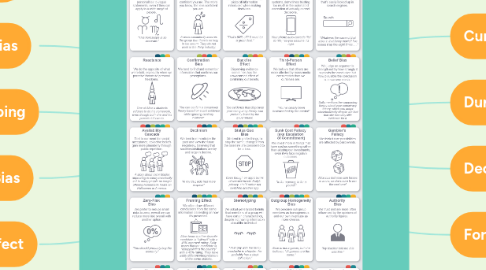
1.2. Spotlight Effect: We overestimate how much people are paying attention to our behavior and appearance.
2. Google Effect (Digital Amnesia)
2.1. Google Effect
2.2. Google Effect (aka Digital Amnesia): We tend to forget information that’s easily looked up in search engines.
2.3. Learning
2.4. Belief
2.5. Memory
3. Self serving Bias
3.1. Self serving Bias
3.2. Self-Serving Bias: Our failures are situational, but our successes are our responsibility.
4. In group bias
4.1. in group bias
4.2. In-Group Favoritism: We favor people who are in our in-group as opposed to an out-group.
4.3. Social
4.4. Belief
4.5. Politics
5. Group think
5.1. Group Think
5.2. Groupthink: Due to a desire for conformity and harmony in the group, we make irrational decisions, often to minimize conflict.
5.3. Social
5.4. Belief
5.5. Politics
6. Halo Effect
6.1. Hallo Effect
6.2. Halo Effect: If you see a person as having a positive trait, that positive impression will spill over into their other traits. (This also works for negative traits.)
6.3. Social
6.4. Belief
6.5. Politics
7. Moral Luck
7.1. Moral Luck
7.2. Moral Luck: Better moral standing happens due to a positive outcome; worse moral standing happens due to a negative outcome.
7.3. Social
7.4. Belief
7.5. Memory
7.6. Politics
8. Reactance
8.1. Reactance
9. Status Quo
9.1. Status Quo
9.2. Status Quo Bias: We tend to prefer things to stay the same; changes from the baseline are considered to be a loss.
10. Third Person Effect
10.1. TPE
10.2. Third-Person Effect: We believe that others are more affected by mass media consumption than we ourselves are.
11. Sunk Cost Fallacy (Escalation of Commitment)
11.1. SCF
11.2. Sunk Cost Fallacy (aka Escalation of Commitment): We invest more in things that have cost us something rather than altering our investments, even if we face negative outcomes.
12. Zero Risk Bias
12.1. Zero Risk Bias
12.2. Zero-Risk Bias: We prefer to reduce small risks to zero, even if we can reduce more risk overall with another option.
13. Stereotyping
13.1. Stereotyping
13.2. Stereotyping: We adopt generalized beliefs that members of a group will have certain characteristics, despite not having information about the individual.
14. Outgroup Homogeneity Bias
14.1. OHB
14.2. Outgroup Homogeneity Bias: We perceive out-group members as homogeneous and our own in-groups as more diverse.
14.3. Social
14.4. Learning
14.5. Belief
14.6. Money
14.7. Memory
14.8. Politics
15. Placebo Effect
15.1. Placebo Effect
15.2. Placebo Effect: If we believe a treatment will work, it often will have a small physiological effect.
16. Survivorship Bias
16.1. Survivorship Bias
16.2. Survivorship Bias: We tend to focus on those things that survived a process and overlook ones that failed.
17. Tachypsychia
17.1. Tachypsychia
17.2. Tachypsychia: Our perceptions of time shift depending on trauma, drug use, and physical exertion.
18. Law of Triviality (Bike Shedding)
18.1. Law of Triviality
18.2. Law of Triviality (aka “Bike-Shedding”): We give disproportionate weight to trivial issues, often while avoiding more complex issues.
18.3. Social
18.4. Money
18.5. Memory
18.6. Politics
19. Zeigarnik Effect
19.1. Zeigarnik Effect
19.2. Zeigarnik Effect: We remember incomplete tasks more than completed ones.
20. Ikea Effect
20.1. Ikea Effect
20.2. IKEA Effect: We place higher value on things we partially created ourselves.
20.3. Social
20.4. Belief
20.5. Money
21. Suggestibility
21.1. Suggestibility
21.2. Suggestibility: We, especially children, sometimes mistake ideas suggested by a questioner for memories.
22. Pessimism Bias
22.1. Pessimism Bias
22.2. Pessimism Bias: We sometimes overestimate the likelihood of bad outcomes.
23. Optimism Bias
23.1. Optimism Bias
23.2. Optimism Bias: We sometimes are over-optimistic about good outcomes.
23.3. Belief
23.4. Memory
24. Just World Hypothesis
24.1. Just World Hypothesis
24.2. Just-World Hypothesis: We tend to believe the world is just; therefore, we assume acts of injustice are deserved.
24.3. Social
24.4. Belief
24.5. Memory
24.6. Politics
25. Naive Realism
25.1. Naive Realism
25.2. Naïve Realism: We believe that we observe objective reality and that other people are irrational, uninformed, or biased.
25.3. Social
25.4. Belief
25.5. Memory
25.6. Politics
26. Naive Cynicism
26.1. Naive Cynicism
26.2. Naïve Cynicism: We believe that we observe objective reality and that other people have a higher egocentric bias than they actually do in their intentions/actions.
26.3. Social
26.4. Belief
26.5. Memory
26.6. Politics
27. Automation Bias
27.1. Automation Bias
27.2. Automation Bias: We rely on automated systems, sometimes trusting too much in the automated correction of actually correct decisions.
28. Backfire effect
28.1. Backfire Effect
28.2. Backfire Effect: Disproving evidence sometimes has the unwarranted effect of confirming our beliefs.
29. Declinisim
29.1. Declinism
29.2. Declinism: We tent to romanticize the past and view the future negatively, believing that societies/institutions are by and large in decline.
30. Belief Bias
30.1. Belief Bias
30.2. Belief Bias: We judge an argument’s strength not by how strongly it supports the conclusion but how plausible the conclusion is in our own minds.
31. Availability Cascade
31.1. AC
31.2. Availability Cascade: Tied to our need for social acceptance, collective beliefs gain more plausibility through public repetition.
32. Anchoring
32.1. Anchoring
32.2. Anchoring: We rely heavily on the first piece of information introduced when making decisions.
33. Confirmation Bias
33.1. Confirmation Bias
33.2. Confirmation Bias: We tend to find and remember information that confirms our perceptions.
34. Availability Cascade
34.1. AC
34.2. Availability Cascade: Tied to our need for social acceptance, collective beliefs gain more plausibility through public repetition.
35. Fundamental Attribution Error
35.1. FAE
35.2. Fundamental Attribution Error: We judge others on their personality or fundamental character, but we judge ourselves on the situation.
36. Band Wagon Effect
36.1. BWE
36.2. Bandwagon Effect: Ideas, fads, and beliefs grow as more people adopt them.
37. False Consensus
37.1. False Consencus
37.2. False Consensus: We believe more people agree with us than is actually the case.
38. Curse of knowledge
38.1. Curse of knowledge
38.2. Curse of Knowledge: Once we know something, we assume everyone else knows it, too.
39. Dunning Kruger Effect
39.1. DKE
40. Declinisim
40.1. Declinism
40.2. Declinism: We tent to romanticize the past and view the future negatively, believing that societies/institutions are by and large in decline.
41. Forer Effect (Barnum Effect)
41.1. Barnum Effect
41.2. Forer Effect (aka Barnum Effect): We easily attribute our personalities to vague statements, even if they can apply to a wide range of people.
42. Anchoring
42.1. Anchoring
42.2. Anchoring: We rely heavily on the first piece of information introduced when making decisions.
43. Gambler's Fallacy
43.1. Gambler's Fallacy
43.2. Gambler’s Fallacy: We think future possibilities are affected by past events.
44. Framing Effect
44.1. Framing Effect
44.2. Framing Effect: We often draw different conclusions from the same information depending on how it’s presented.
45. Authority Bias
45.1. Authority Bias
45.2. Authority Bias: We trust and are more often influenced by the opinions of authority figures.
46. Ben Franklin Effect
46.1. Ben Franklin Effect
46.2. Ben Franklin Effect: We like doing favors; we are more likely to do another favor for someone if we’ve already done a favor for them than if we had received a favor from that person.
47. Bystander effect
47.1. Bystander effect
47.2. Bystander Effect: The more other people are around, the less likely we are to help a victim.
48. False Memory
48.1. False Memory
48.2. False Memory: We mistake imagination for real memories.
49. Cryptomnesia
49.1. Cryptomnrsia
49.2. Cryptomnesia: We mistake real memories for imagination.
50. Clustering Illusion
50.1. Clustering Illusion
50.2. Clustering Illusion: We find patterns and “clusters” in random data.
51. Blind Spot Bias
51.1. Blind Spot Bias
51.2. Blind Spot Bias: We don’t think we have bias, and we see it others more than ourselves.
52. Defensive Attribution
52.1. Defensive Attribution
52.2. Defensive Attribution: As a witness who secretly fears being vulnerable to a serious mishap, we will blame the victim less if we relate to the victim.