


Inflection vs Derivation
por Lucy Grave
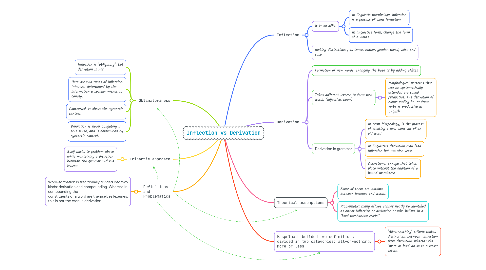
1. Obligatoriness
1.1. Inflection is "obligatory", but derivation is not.
1.2. Here are two types of inflection: Inherent, determined by the information a speaker wishes to convey.
1.3. Contextual, is about the syntactic context.
1.4. Derivation is never obligatory in this sense, and is determined by syntactic context.
2. Tripartie approach
2.1. Booij backs to problem above while mantaining a distiction between the grmmar and the lexicon
3. Definitions and Problematics
3.1. Word-formation is traditionally divided into two kinds: derivation and compounding. Whereas in compounding the constituents of a word are themselves lexemes, this is not the case in derivation
4. Inflection
4.1. It is an affix.
4.1.1. In linguistic morphology, inflection is a process of word formation
4.1.2. In linguistics form, change the form of a words.
4.2. making distinctions , as tense, numer, gender, mood, voice and case
5. Derivation
5.1. Formation of new words, changing the base or by adding affixes
5.2. Takes different lexeme to form new words (adjective, noun)
5.2.1. Morphological patterns that can be systematically extended are called productive. The derivation of nouns ending in -er from verbs is productive in English
5.3. Derivation in grammar
5.3.1. In term Morphology, is the process of creating a new word out of an old word
5.3.2. In linguistics derivation may feed inflection but not vice verse.
5.3.3. Derivational chnage that takes place without the addition of a bound morpheme