

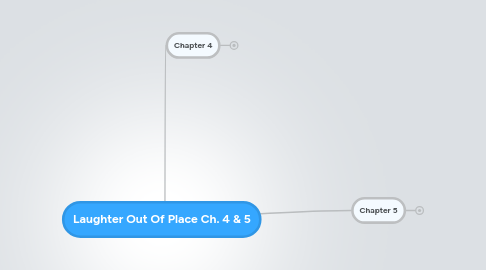
1. Chapter 4
1.1. Pedro Paulo
1.2. Children are used to do the dirty work for favela gangs, such as dealing drugs. Children do these activities for money because they are so poor. They attempt to provide food for their family.
1.2.1. Nurturing children are poor kids who take on big responsibilities at an early age, bring resources to their mothers and help throughout the household, something they feel is required.
1.2.1.1. Children are forced to mature very quickly.
1.3. Middle and upper class
1.3.1. Some people think it is pointless to give money to these kids in gangs looking for money because it will not solve the problem. Others give money out of fear and/or think giving money to these kids will protect them from being harmed.
1.3.1.1. Chief and gang leader of favela wanted no child beatings, made him a local hero.
1.4. FUNABEM
1.4.1. Families will sometimes throw their children out on the street if they are troubled and too difficult to control. Gloria was a very strict mother and punished her kids when necessary.
1.4.1.1. Children would share their "funny stories" about pain and tragedy.
2. Chapter 5
2.1. Violence
2.1.1. "Law of silence"
2.1.1.1. Violence and drug-trafficking is highest in poor neighborhoods and shantytowns.
2.1.1.1.1. Gangs led by a reasonable person resulted in more stability and safety for everyone.
2.1.1.2. Blue zone: Functioning and powerful legal system. Green zone: Lots of gang infiltration, nas as much state legal presence. Brown zone: State is unable to imply its legal matters.
2.1.1.2.1. Police-bandits was a term commonly used to describe somewhat of a corrupted police officer. Would help and assist gangs and criminals for their own benefit.