


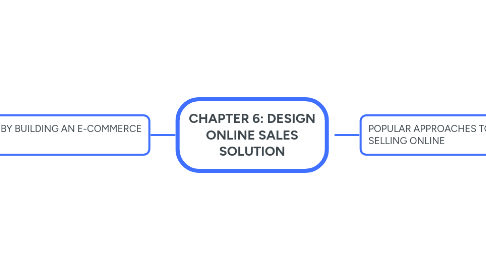
1. SELLING BY BUILDING AN E-COMMERCE SITE
1.1. The Visioning Process
1.1.1. Define a vision that includes a mission statement, target audience identification, market space characterization, strategic analysis, marketing matrix, and development timeline.
1.2. Business and Revenue Model
1.2.1. Once the mission and vision are defined, develop preliminary business and revenue models. Consider how and where the money will be generated.
1.3. Target Audience
1.3.1. Understand your target audience by defining demographics, behavior patterns, consumption patterns (online vs. offline), digital usage patterns, content creation preferences, and buyer personas.
1.4. Characterizing the Marketplace
1.4.1. Success depends on understanding the market characteristics. Analyze market demographics, the fit of your e-commerce presence, and the market structure, including competitors and substitute products.
1.5. Content Strategy
1.5.1. Content comes in two types: static and dynamic. Utilize static content like product descriptions and images. Leverage dynamic content, including user-generated content for its advantages.
1.6. SWOT Analysis
1.6.1. Conduct a SWOT analysis to understand your business's Strengths, Weaknesses, Opportunities, and Threats. This analysis guides strategic efforts and helps focus on key areas for improvement.
1.7. E-Commerce Presence Map
1.7.1. E-commerce has transitioned from being primarily PC-centric on the web to a more mobile and tablet-driven activity. While the majority of e-commerce revenues in retail and travel still come from desktop purchases (around 70%), there's an increasing trend of using smartphones and tablets for online shopping.
1.8. Timeline Development: Milestones
1.8.1. Six phases provide sufficient detail at this stage: Planning, Website development, Web implementation, Social media plan, Social media implementation and mobile plan
1.9. Cost Estimation
1.9.1. Developing a preliminary cost estimate is advisable. The actual expenditure depends on affordability and the scale of the opportunity.
2. POPULAR APPROACHES TO SELLING ONLINE
2.1. Search Engine Marketing and Advertising Tools
2.1.1. Search engine marketing to build and sustain brand. Search engine advertising to support direct sales to online consumers. Thought of as mostly direct sales channels focused on making sales in response to advertisements.
2.2. Display Ad Marketing
2.2.1. Include many different types of ads: banner ads, rich media ads, video ads and sponsorships and native advertising. Ad types are now identified as horizontal, vertical, tiles or full page.
2.3. Email Marketing
2.3.1. One of the first and most effective forms of online marketing communications. Sent to an audience of who have expressed an interest in receiving messages from the advertiser.
2.4. Affiliate Marketing
2.4.1. Is a form of marketing where a firm pays a commission (4% to 20%) to other websites (including blogs) for sending customers to their website.
2.5. Viral Marketing
2.5.1. Is a form of social marketing that involves getting customers to pass along a company’s marketing message to friends, family,…
2.6. Lead Generation Marketing
2.6.1. Uses multiple e-commerce presences to generate leads for businesses who later can be contacted and converted into customers through sales calls, e-mail, or other means.