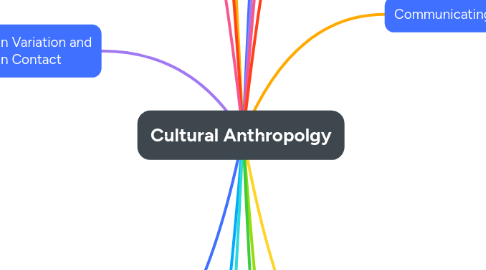
1. The development and Evolution of Language: Language Birth, Language Growth, and Language Death
1.1. "It is sad that young Arapaho parents can no longer be expected to pass along to their children the rich cultural heritage of the tribe".
1.2. This chapter focuses on the processes in which languages are formed, and the way they develop and grow through time, and lastly explores language, death, and the importance of preserving language diversity
2. Acquiring and Using Languages: Life with First Languages, Second Languages, and More
2.1. "But if for most adults learning a foreign language is a major task, and only relatively few attain fluency in a second language, how is it that small children learn a language, or even two or more, as effortlessly as they do?"
2.2. In this chapter, it explores how we develop our first language and how it is influenced by our family and our social interactions. It talks about second language learning in the various contexts, and the importance of language diversity.
3. Language Through Time
3.1. "The structure of a language may be analyzed and described as it exists at some point in time, either in the present or the past."
3.2. This chapter explores the historical development of language is how they are study to understand and trace language families, their origins and transformations. It also explores the way languages change through out history, social factors, and when language comes into contact with other cultures. It explores the significance of the way that language changes throughout culture, society and time.
4. Langauges in Variation and Langauges in Contact
4.1. This chapter discusses language variations and how language varies significantly based on cultural identities, social dynamics, geography, class, situational differences, and dialects. It also speaks about codeswitching in which you switchbetween languages or dialects in conversations based on communicative needs. It also touches on how individuals have multiple languages and how we borrow vocabulary from other languages.
4.2. "Because it is spoken in so many different areas the world over, English is particularly diversified dialectally."
5. The Ethnography of Communication
5.1. "The nature and function of communicative behavior in the context of culture are the subject of ethnography of communication."
5.2. This chapter explores on how communication practices are not to step out language, but also gestures, cultural, norms, social roles, influencing, styles, topics, settings, relationships and how they all form an intricate relationship.
6. Language, Culture, and Thought
6.1. "When introducing my wife, I would use the term tsuma (neutral), nyōbō (colloquial), or kanai (polite) but would need to use oku-san (polite) or oku-sama (very polite) for someone else’s wife. There are some two dozen terms for wife in Japanese, each reflecting different emotional connotations, social attitudes, and levels of respect."
6.2. This chapter is about how language influences the way people think and see the world. It also focuses on the Sapir-Whorf hypothesis, which says that language can shape thoughts and ideas. It also talks about how people from different cultures describe things like colors differently because of their language. It also explains why older beliefs, like one language being “better” than another, are no longer accepted.
7. Language, Identity, and Ideology II: Variations in Class, “Race,” Ethnicity, and Nationality
7.1. "That is, just as differences in speech could result from geographic isolation, social isolation due to ethnicity, nationality, or race could also create linguistic variation."
7.2. This chapter looks at how language shows and strengthens social factors like class, ethnicity, race, and nationality. It explores different ways people speak, and how language can keep social norms and racism in place. It also discusses how language is used by countries and smaller groups to express power and identity.
8. Chapter 1: Introducing Linguistic Anthropolgy
8.1. "Every human being speaks a language, but what people think about languages - particularly those about which they know Little or nothing-it’s quite another matter."
8.2. This chapter talks about the importance of studying language, that there are many different languages and that they are equally as important. The study of language can also help understand humans.
9. Chapter 2: Methods of Linguistic Anthropolgy
9.1. "What linguistic anthropology is concerned with our the consequences of the process that led to language."
9.2. This chapter covers theories. Trends and approaches, in languages. And covers multiple so that you can go back as you go through the chapters to these theories.
10. Chapter 3: Nuts and Bolts: Launguage is Sound
10.1. "To detect such things, however, requires sub, and most people do not critically examine or notice their every day surroundings."
10.2. This chapter helps you understand the phonetics involved in producing sounds for speech,
11. Nuts and Bolts: Structure of Words and Sentences
11.1. "So we see, then, that some technical knowledge of Navajo grammar—AND English grammar, too—is necessary to fully understand the culture."
11.2. This chapter focuses on language, word, structure, sentence, structure, grammatical rules, and what this means for language and the importance of being able to convey this meaning.
12. Communicating Non verbally
12.1. "For the most part, human communication is a multichannel affair operating on verbal and nonverbal levels. Regardless of the society, it is not only how people talk and what they say but also how they present themselves to others that seems to make a difference as to how they are perceived."
12.2. In this chapter, it goes over forms of nonverbal communication and how it plays a role in the way that we express ourselves or convey meaning. It also talks about how nonverbal communication can be influenced by cultural norms, society and backgrounds. Often nonverbal communication will complement verbal communication.
13. Culture as Cognition, Culture as Categorization: Meaning and Language in the Conceptual World
13.1. "Both perceptual devices—editing out and taking in stimuli—are necessary to apprehend the world, and presumably most, if not all, of this is conducted through the medium of the categories of one’s language."
13.2. This chapter is about how words get their meaning and how we use language to understand the world. It talks about semantics, which is the study of meaning, and why it’s hard to figure out how words match real things. It highlights how we group things into categories to make sense of them as well as shows how talking to others helps us understand what meaning behind words.
14. Language, Identity, and Ideology I: Variations in Gender .
14.1. This chapter touches how gender affects the way people speak and communicate.what makes women’s language different from men’s, and how men and women talk in different cultures. It also shows how LGBTQI people use language to express their identity. It also explains that speech is influenced by factors like age, class, and culture.
14.2. "And profanities are now casually used by many young women whose mothers and grandmothers not only would never have uttered them but would probably have been embarrassed even to hear them."
15. The Linguistic Anthropology of a Globalized and Digitalized World
15.1. This chapter examines how linguistic anthropology helps us understand current issues, focusing on the role of language in shaping culture, politics, and society. The chapter also explores how digital communication and social media are changing language use, and it highlights the importance of understanding the ethical implications of language research and its effects on people in today’s connected world.
15.2. "Language planning may be called for when the presence of several competing languages in a country has become divisive or when a particular language or dialect is to be elevated to serve as the official or national language of a multilingual or multidialectal society"