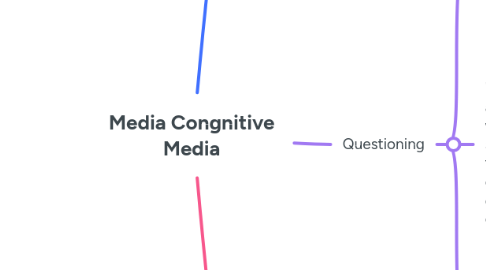
1.1. Enhances Understanding: "Visualizing is creating mental images of the text to enhance understanding and memory." page 52. By engaging their imaggination readers can inmerse themselves in the story or information, making the reading experience more vivid and enjoyable
1.2. Engages the imagination :"When readers visualize, they make the text come alive in their minds" page 54. Visualizing helps readers grasp the content better by turning words into mental pictures, making the information more relatable and easier to comprehend.
1.3. improves retention:" Good readers use visualization to remember details and recall information more effectively." page 56. Visualization aids in retaining details from the text, as the mental images created can serve as memory cues, helping readers recall information later.
2. Questioning
2.1. Promotes Deeper Understanding: "Questioning helps readers engage with text and seek answers, which promotes deeper understanding." page 60. By asking questions, readers actively think about the content, which helps them understand the material on a deeper level.
2.2. Encourages Critical Thinking: "Effective questioning involves asking who, what, when, where, why, and how." page 62. This strategy encourages readers to think critically about the text, considering various aspects and details that might otherwise be overlooked.
2.3. Identifies Gaps in knowledge: "Good readers use questioning to identify gaps in their knowledge and seek clarification." page 65. By questioning, readers can pinpoint areas where they need more information or clarification, leading to a more thorough comprehension of the text.
3. Making Connections
3.1. Relates text to personal experience : "Making connections between the text and personal experiences helps readers relate and understand better." page 70. When readers connect the material to their own lives, it becomes more meaningful and easier to grasp.
3.2. Links text to other text: "Readers enhance comprehension by linking the current text to other texts they have read." page 72. Drawing parallels between different texts can provide new insights and a deeper understanding of the material.
3.3. Connects text to world Events: "Making connections between the text and world events readers see the relevance of the material." page 75. Relating the text to real-world events or issues can make the content more engaging and significant.