
Implementing Intelligence in Private Organizations: A Simulation and Modeling Analysis


Implementing Intelligence in Private Organizations: A Simulation and Modeling Analysis
por Ramona DITA
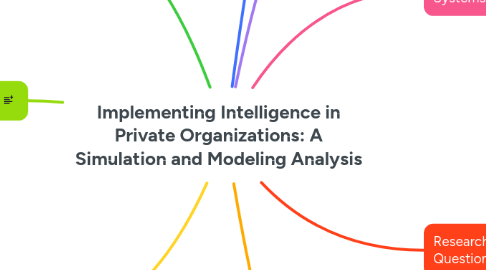
1. What I Know
1.1. Tools & Technologies (BI, CI, AI for Data Collection & Analysis)
1.2. Benefits of Implementation
2. What I Don’t Know
2.1. Optimal Simulation & Modeling Frameworks
2.2. Cost Implications
2.3. Data Integration Challenges
2.4. Impact Measurement Methodologies
2.5. Human Factors Affecting Implementation
3. What I Think
3.1. Adaptability of Models to Industry
3.2. Importance of KPIs
3.3. High ROI Potential
3.4. Need for Change Management
4. Research Problem
4.1. Dynamic Markets & Complex Competition
4.2. Need for Systematic Intelligence Processes
4.3. Importance of Intelligence for Competitive Advantage
5. Objectives
5.1. Explore Efficacy of Intelligence Systems
5.2. Identify Best Practices for Integration
5.3. Support Decision-Making & Strategic Alignment
6. Intelligence Systems
6.1. Types
6.1.1. Business Intelligence (BI)
6.1.2. Competitive Intelligence (CI)
6.1.3. Artificial Intelligence (AI)
6.2. Benefits
6.2.1. Actionable Insights
6.2.2. Understanding Market Trends
6.2.3. Enhanced Decision-Making
7. Research Questions
7.1. Methods
7.1.1. What simulation and modeling methods work best?
7.1.2. How do these methods vary by industry?
7.2. Impact Assessment
7.2.1. How does integration affect decision-making and efficiency?
7.3. Challenges & Risks
7.3.1. What are the main challenges, and how can they be mitigated?