

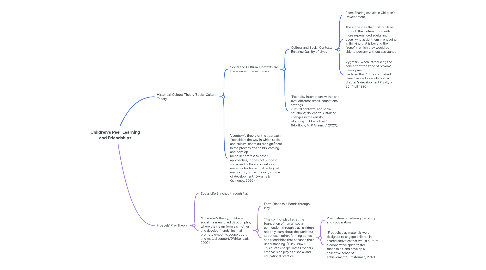
1. Historical-Cultural Theory/Social-Cultural Theory
1.1. Social and Culturral Contexts are the source of Development
1.1.1. Cultural and Social Contexts Enhance Quality of Lives
1.1.1.1. Peers Sharing can aid in Children's Development
1.1.1.2. This is the idea that children learn through their interactions with more experienced adults and peers, who assist them in engaging in thinking that is beyond the “zone” in which they would be able to perform without assistance
1.1.1.3. Vygotsky, when introducing the concept of the zone of proximal development, declared that "more competent peers," as well as adults, can aid children's development (1978, p. 86)(Moll, 1990)
1.1.2. "Peer play interactions within and over different times, educational settings, cultural contexts, and social situations; do lead to sustained changes in the quality of young children’s lives" (Mortlock, A., & Green, V. 2020).
1.2. Vygotsky's theory of the approach "considers the way in which social and cultural contexts are significant in the process of a child’s learning and develop- ment. In contrast to other approaches, it does not suggest social and cultural contexts as mere guides for natural biological maturation, but as the very source of development." (Adams & Quinones, 2020)
2. Froebels' Play Theory
2.1. Social Life Enriched through Play
2.2. “In Froebel’s theory, children’s social life is enriched through play, where they learn from each other and develop friendships that promote empathy, cooperation, and mutual support.”(Whitehead, 2007)
2.2.1. Form Friendship Bonds through Play
2.2.2. “The spirit of play lies at the foundation of human social connection; through play, children not only learn about the world but about each other, forming bonds and friendships that enhance their understanding.”(Lilley, 1967) This quote encapsulates Froebel’s emphasis on play as a social and educational practice.
2.2.2.1. Play materials fostering freindship and cooperation
2.2.2.2. “Froebel’s play materials were designed to engage children in shared activities that would nurture a cooperative spirit, foster friendships, and develop a collective sense of achievement.”(Brosterman, 1997)