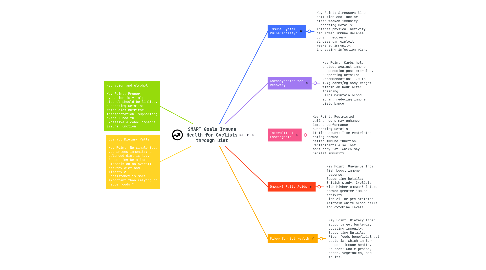
SMART Goals Immune Health for Cyclists through Dietpor Fatema Alhaj Faraj
1. Hydration and Alcohol Key Point: Proper hydration is vital; alcohol should be limited. Supporting Details: Water aids nutrient transportation, supporting overall health. Excessive alcohol impairs immune function.
2. Overall Dietary Pattern Key Point: No single food guarantees immunity; a balanced diet is key. Supporting Details: Emphasis on an overall healthy diet and lifestyle. Consistency is more important than relying on “superfoods.”
3. Immune System Vulnerabilityc
3.1. Key Point: Stressors like pollution and lack of sleep weaken immunity. Supporting Details: Intense physical activity can lower immune defense during recovery. Viruses can exploit weakened immunity, increasing infection risk.
4. Carbohydrates for Recovery
4.1. Key Point: Carbs help protect against immune suppression post-exercise. Supporting Details: Recommendation: 1.0 to 1.4g carbs/kg body weight within an hour after training. Helps maintain blood sugar, reducing immune disturbance.
5. Intermittent Fastingable
5.1. Key Point: Restricted eating hours may enhance immune performance. Supporting Details: Italian study: Time-restricted eating showed better immune function. Participants also lost more body fat, which may benefit immunity.
6. Omega-3 Fatty Acids
6.1. Key Point: Omega-3s from fish boost immune response. Supporting Details: British study: Cyclists with higher omega-3 intake showed greater immune activity. Fish oil helped athletes maintain white blood cells and cytokine levels.
7. Fiber for Gut Health
7.1. Key Point: Dietary fiber supports gut bacteria, boosting immunity. Supporting Details: Fiber feeds beneficial gut bacteria, which in turn support immune health. Sources: Whole grains, beans, vegetables, and fruits.