


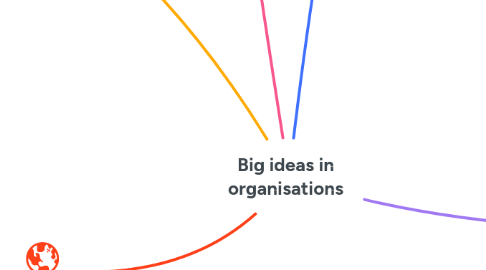
1. Operations
1.1. Management
1.1.1. Process
1.1.1.1. Input
1.1.1.2. Transformation
1.1.1.2.1. Physical
1.1.1.2.2. Informational
1.1.1.2.3. Possession
1.1.1.2.4. Location
1.1.1.2.5. Storage
1.1.1.2.6. Physiological /Psychological
1.1.1.3. Output
1.1.2. Design
1.1.2.1. Product
1.1.2.2. Service
1.1.2.3. Layout/ Flow
1.1.3. Planning and Control
1.1.3.1. People
1.1.3.2. Capacity
1.1.3.3. Stock
1.1.3.4. Quality
1.1.3.5. Error Correction
1.1.4. Improvement
1.1.4.1. New Product Introduction
1.1.4.2. Team-working
1.2. Strategy
1.2.1. Objectives
1.2.2. Capacity and Facilities
1.2.3. Supply Chain
1.2.4. Design
1.2.5. Integration
1.2.6. Technology Adoption
1.2.7. Workforce
2. Enviroment
2.1. External
2.1.1. Social
2.1.2. Technological
2.1.3. Economic
2.1.4. Legal
2.1.5. Ethical
2.2. Business Cycle
2.2.1. Recovery
2.2.2. Recession
2.2.3. Peak
2.2.4. Trough
2.3. Labour
2.3.1. Immigration
2.3.1.1. Skills
2.3.1.2. Want
2.3.2. Offshoring
2.3.2.1. Instability
2.3.2.2. Language
2.3.2.3. Culture
2.3.2.4. Reputation
2.3.3. Outsourcing
2.3.3.1. Focus
2.3.3.2. Revenue
2.3.3.3. Innovate
2.3.3.4. Quality
2.3.3.5. Costs
2.3.3.6. Skills
2.3.3.7. Conserve Capital
3. Marketing
3.1. Concept
3.1.1. Mission
3.1.2. Orientation
3.1.3. Values
3.1.4. Vision
3.1.5. Stratergy
3.2. Environment
3.2.1. Macro
3.2.2. Micro
3.3. Marketing mix
3.3.1. Place
3.3.2. Product
3.3.3. Price
3.3.4. Promotion
3.4. Research
3.4.1. Process
3.4.2. Ethical Issues
3.5. Focusing
3.5.1. Targeting
3.5.2. Position
3.5.3. Segmentation
4. Design
4.1. Product Generation
4.1.1. Incremental Enhancements
4.1.2. New Generation
4.1.2.1. Discover
4.1.2.2. Define
4.1.2.3. Develop
4.1.2.4. Deliver
4.1.3. Product
4.1.3.1. Functionality
4.1.3.2. Aesthetics
4.1.3.3. Reliability
4.1.3.4. Maintainability
4.1.3.5. Durability
4.1.3.6. Produce-ability.
4.2. Thinking
4.2.1. Reframe Ideas
4.2.2. See the bigger picture
4.2.3. Understand the user
4.2.4. No idea is too wild
4.2.5. Collaborate
4.2.6. Test your ideas.
4.3. Service
4.3.1. Idea
4.3.2. Experience
4.3.3. Outcome
4.3.4. Operation
4.3.5. Value
4.4. Process
4.4.1. Volume of output
4.4.2. Variety of output
4.4.3. Variation in demand
4.4.4. Visibility of process.
5. Finance
5.1. Traditional
5.1.1. Retained Earnings
5.1.2. Working Capital
5.1.3. Debt Factoring
5.1.4. Bank Overdrafts
5.1.5. Bank Facilities
5.1.6. Leasing
5.1.7. Equity Finance
5.1.7.1. Private
5.1.7.2. Public
5.2. New Forms
5.2.1. Crowdfunding
5.2.2. Microfinance
5.2.3. Peer-to-peer Lending