


Building Long-Term Success
por Albert Anan
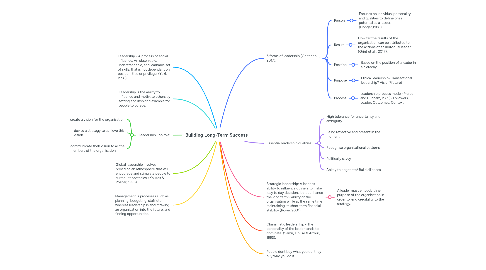
1. Leadership - A process of social influence. An observable, understandable, and learnable set of skills, that is not dependant on position, title or privilege. (Yukl, 1998)
2. Leadership is the ability to influence and motivate others by setting and inspiring example for people to pursue.
3. Leadership Job role:
3.1. create a vision for the organisation
3.2. devise a strategy to achieve this vision.
3.3. communicate theh vision to all the members of the organisation.
4. Global leadership involves providing an atmosphere that will encourage and stimulate people to surmount obstacles. (Kouzes & Posner, 1995).
5. Management is processes such as planning, budgeting, staff etc, whereas leadership is about taking an organisation into the future, and finding opportunities.
6. 5 forms of leadership (Grint et al. , 2017):
6.1. Person
6.1.1. Focuses on individual personality and qualities to define ones potential as a leader. (Conger,1988).
6.2. Result
6.2.1. How far the results of the organisation can be attributed to the actions of an individual leader. (Grint et al. , 2017).
6.3. Position
6.3.1. Based on the position of a leader in a hierachy.
6.4. Purpose
6.4.1. Ethical leadership? Transactional leadership? Vision?future?
6.5. Process
6.5.1. Leadership process model (Pierce and Dunham, 1989)- Followers, Leader, Outcomes, Context