

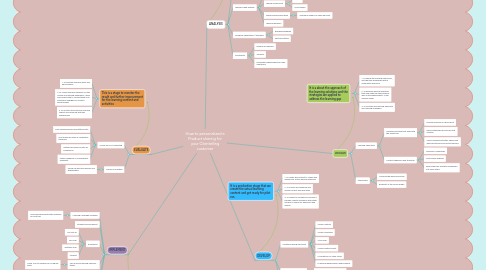
1. This is a stage to monitor the result and further improvement for the learning content and activities
1.1. 1. To evaluate learners result and performance
1.2. 2. To collect learners feedback for the course and learning experience, utlise and collect data to convert them into actionable changes for content improvement
1.3. 3. To monitor the long term learning impact and follow up with the stakeholders
2. It is a stage about how to execute and the roll out of the learning program .
2.1. 1.To set up a roll out schedule and communication plan with the stake holders
2.2. 2. To prepare trainers / facilitators ready for the course delivery and
2.3. 3. To prepare learners for the use new tools / technology.
3. IMPLEMENT
3.1. Learning campaign schedule
3.1.1. Morning briefing activities schedule for Post tips
3.2. Intranet announcement
3.3. Enrollment
3.3.1. LMS set up
3.3.2. QR code
3.3.3. Invitation mail
3.3.4. Intranet
3.4. Set up.social learning platform - teams
3.4.1. Invite SME to feedback on a regular basis
3.5. Communication with division head for the launch
3.6. Prepare FAQ for the program
3.6.1. Specific channel in team for tech issues
4. It is the initial stage of the learning design. It set the scene of the program.
4.1. 1. To define the goal of the learning and the expectations
4.2. 2. To identifies constraints of the learning environment and
4.3. 3. To understand learners existing knowledge and skills together with their characteristics on learning
5. EVALUATE
5.1. Survey and LMS reporting
5.1.1. Post learning survey quantitative data
5.1.2. Post learning survey on qualitative feedback
5.1.3. Obtain performance data for comparison.
5.1.4. Obtain feedback in management viewpoint
5.2. Follow up meeting
5.2.1. Follow up with the learners and stakeholders
6. It is a production stage that we create the actual learning content and get ready for pilot run.
6.1. 1. To create the content to realize the design into actual learning materials
6.2. 2. To collect and assemble the media content and resources.
6.3. 3. To refine the content and conduct periodic quality assurance with stake holders to ensure its alignment and quality.
7. ANALYSIS
7.1. Learning goal
7.1.1. Bloom’s taxonomy
7.2. Learners need analysis
7.2.1. Current skilllevel
7.2.1.1. Focus group
7.2.2. Learner's pain point
7.2.2.1. Survey
7.2.2.2. Focus group
7.2.3. Obtain performance data
7.2.3.1. Average numbers of views per post
7.2.4. Learning duration
7.3. Company expectation / standard
7.3.1. Branding guideline
7.3.2. Post formatting
7.4. Constraints
7.4.1. Medium of learning.
7.4.2. Timeline
7.4.3. Manpower requirements for daily operations
8. DESIGN
8.1. Learning objectives
8.1.1. Learning activities that align with the objectives
8.1.1.1. Provide example of a good post
8.1.1.2. Demonstrate the process of post creation.
8.1.1.3. Social Learning activities: show case learning outcome and social learning.
8.1.2. Content sequence and structure
8.1.2.1. Numbers of examples
8.1.2.2. Multi media auditing
8.1.2.3. Define the task and then breakdown Into small steps
8.2. Storyboard
8.2.1. Visualize the learning journey
8.2.2. Blueprint of the visual design
9. DEVELOP
9.1. Curated learning resources
9.1.1. Screen casting.
9.1.2. Screen recording
9.1.3. Voice over
9.1.4. Closed caption script
9.1.5. Localization for Other cities
9.1.6. E-learning development and progress
9.2. Pilot for selected learners
9.2.1. Training specialists arrangement
9.3. SME Validation
9.3.1. CX team
9.3.2. Marketing team