


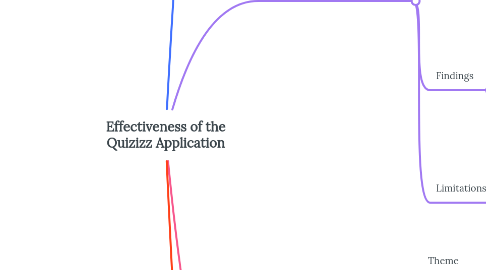
1. The Effectiveness of Using Quizizz to Improve the Students’ Vocabulary
1.1. Theme
1.1.1. "Increasing Students' Vocabulary Mastery through Using the Quizizz Application"
1.2. Aims
1.2.1. assessing the effectiveness of using the Quizizz application in increasing the active vocabulary of junior high school students.
1.3. Theory
1.3.1. Technology Based Learning Theory
1.4. Sampling
1.4.1. cluster random sampling strategy
1.5. Data collection Method
1.5.1. Pre-test dan Post-test and Cluster Random Sampling
1.6. Data Analysis Method
1.6.1. The Quizizz program has had a significant positive impact on increasing students' vocabulary at the school.
1.7. Findings
1.7.1. Utilizing Quizizz significantly enhanced the vocabulary skills of junior high school students, as evidenced by pre-test and post-test assessments following a cluster random sampling strategy. However, future studies should address limitations such as research design appropriateness and sample size constraints.
1.8. Limitations
1.8.1. Research Design That May Be Inappropriate, Not many students, Too Dependent on Numbers
2. New Ways to Improve Student Material Understanding Using Quizizz during the Covid-19 Pandemic
2.1. Theme
2.1.1. New Ways to Improve Student Material Understanding Using Quizizz during the Covid-19 Pandemic
2.2. Aims
2.2.1. exploring new ways to improve students' understanding of material using the Quizizz application during the Covid-19 pandemic.
2.3. Theory
2.3.1. Distance Learning Theory, Technology Based Learning Theory, Active Engagement Theory
2.4. Sampling
2.4.1. Random Sampling
2.5. Data collection Method
2.5.1. multiple choice test
2.6. Data Analysis Method
2.6.1. t test
2.7. Findings
2.7.1. During the Covid-19 pandemic, utilizing the Quizizz application effectively improved student learning outcomes in online learning, aligning with Distance Learning Theory, Technology Based Learning Theory, and Active Engagement Theory. However, methodological limitations, measurement instrument challenges, and technology accessibility issues should be considered.
2.8. Limitations
2.8.1. Method Limitations, Measurement instruments, Technology Limitations and Accessibility
3. THE USE OF QUIZIZZ AS AN ONLINE ASSESSMENT APPLICATION FOR SCIENCE LEARNING IN THE PANDEMIC ERA
3.1. Theme
3.1.1. THE USE OF QUIZIZZ AS AN ONLINE ASSESSMENT APPLICATION FOR SCIENCE LEARNING IN THE PANDEMIC ERA
3.2. Aims
3.2.1. evaluate student responses to the implementation of online exams using the Quizizz application.
3.3. Theory
3.3.1. Online Learning Theory, Use of Technology in Learning, Increased Student Engagement and Understanding
3.4. Sampling
3.4.1. Instrumen Online Test, Questionnaire.
3.5. Data Collection Method
3.5.1. Cluster Analysis, Comparative Analysis
3.6. Data Analysis Method
3.6.1. Application of Quizizz in Online Learning, Increased Understanding of Material, Positive Response from Students
3.7. Findings
3.7.1. Application of Quizizz in Online Learning, Increased Understanding of Material, Positive Response from Students
3.8. Limitations
3.8.1. Limited Sample Size, Data Age Limitations, Uncontrolled External Factors
4. Effectiveness Of Quizizz in Interactive Teaching and Learning Malay Grammar
4.1. Theme
4.1.1. Effectiveness Of Quizizz in Interactive Teaching and Learning Malay Grammar
4.2. Aims
4.2.1. measure the effectiveness of the Quizizz application in teaching and learning Malay grammar.
4.3. Theory
4.3.1. Constructivist Learning Theory, Experiential Learning
4.4. Sampling
4.4.1. random sampling
4.5. Data Collection Method
4.5.1. descriptive questionnaire
4.6. Data Analysis Method
4.6.1. Data Description, Reliability Measurement, Statistic analysis
4.7. Findings
4.7.1. Positive Response from Students and The Importance of Technology in Learning
4.8. Limitations
4.8.1. Limitations of the Questionnaire and Limited Sample Size