


1. Communication
1.1. 1. Attending
1.1.1. Full focus
1.2. 2. Active Listening
1.2.1. Understand
1.2.2. Barriers
1.2.2.1. on/off listening
1.2.3. Pre labeling
1.3. 3. Empathy
1.3.1. Acknowledgement
1.3.1.1. Recognition
1.3.2. Avoid
1.3.2.1. Pretending
1.3.2.2. Giving Advice
1.3.2.3. Arguing
1.3.2.4. Distracting Qs
1.4. 5. Slience
1.4.1. Allow Reflection
1.4.2. Gather thoughts
1.5. Probing Qs
1.5.1. Explore
1.5.2. Statements
1.5.3. Useful
1.5.3.1. Resistant
1.5.4. Non-verbal
1.6. Summarising
1.6.1. Focus
1.7. Referring
1.7.1. Sensitivity
1.7.2. Passing the buck
2. Skilled Helper
2.1. Stage I
2.1.1. Exploration
2.1.1.1. Trusting Relationship
2.1.2. Comm Skills
2.1.2.1. Emotional tone
2.1.2.2. Empathy
2.1.2.3. Express Warmth
2.1.3. Outcome
2.1.3.1. Disclose
2.2. Stage II
2.2.1. Challenge
2.2.1.1. Info gathering
2.2.1.2. Person-centered
2.2.2. Comm Skills
2.2.2.1. Learn Language
2.2.2.2. Be Patient
2.2.2.3. Patters in stories
2.2.3. Outcome
2.2.3.1. Understood
2.2.3.2. Explore
2.3. Stage III
2.3.1. Potential strategies
2.3.2. The socratic method
2.3.2.1. Guiding
2.3.2.2. Self discovery
2.3.3. Comm Skills
2.3.3.1. Accruate empathy
2.3.3.2. Summarising
2.3.3.3. Questioning
2.3.4. Outcome
2.3.4.1. Hidden feelings
2.3.4.2. Emotions Attitudes
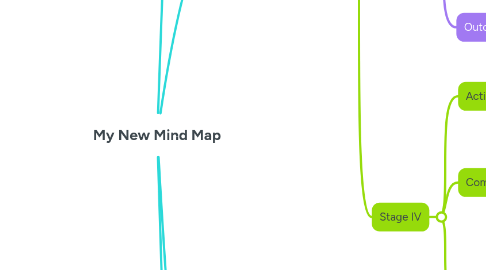
2.4. Stage IV
2.4.1. Actions
2.4.1.1. Working Together
2.4.1.2. Challeneges
2.4.2. Comm Skills
2.4.2.1. Non-directive
2.4.2.1.1. Self-disclosure
2.4.2.1.2. Immediacy
2.4.2.2. Directive
2.4.2.2.1. Personal responses
2.4.3. Outcome
2.4.3.1. Resilience
2.4.3.2. Problem Solving
2.4.3.3. Progress
2.4.3.4. Obstacles
3. Reflection
3.1. Reflective journey
3.1.1. Schon
3.1.1.1. Reflection in-action
3.1.1.1.1. Engaging in activity
3.1.1.2. Reflection on-action
3.1.1.2.1. Activity afterwards
3.1.2. Experiences
3.1.3. Reflective Pracitioner
3.1.3.1. Development
3.2. Reflective Thinking
3.2.1. Content Reflection
3.2.1.1. Concern
3.2.2. Process Reflection
3.2.2.1. Interpreting feedback
3.2.3. Premise Reflection
3.2.3.1. Beliefs & assumptions
3.2.3.1.1. Challenege Validity
3.3. Reflective Writing
3.3.1. Gibbs Model
3.3.1.1. Description
3.3.1.2. Feelings
3.3.1.3. Evaluation
3.3.1.4. Conclusions
3.3.1.5. Action
3.3.1.6. Strength
3.3.1.6.1. Aware of stages
3.3.1.7. Weakness
3.3.1.7.1. Requires probing Qs
3.3.2. Rolfe Model
3.3.2.1. Descriptive level
3.3.2.2. Theory
3.3.2.3. Conclusions
3.3.2.4. Action
3.3.2.5. Strength
3.3.2.5.1. Deeper reflection
3.3.2.6. Weakness
3.3.2.6.1. complicated
3.3.3. John's model
3.3.3.1. Looking in
3.3.3.2. Looking out
3.3.3.3. Strength
3.3.3.3.1. Easy to follow
3.3.3.4. Weakness
3.3.3.4.1. Rigidly structured
4. Therapeutic Alliance
4.1. Dual Purpose
4.1.1. Manage problems
4.1.2. Self helpers
4.1.3. Helping others
4.1.3.1. Increased self control
4.1.3.2. Decreased emotional distress
4.1.3.3. Self identified goals
4.2. Evidence
4.2.1. Alliance primary
4.2.2. Minor role
4.2.3. Task Force Review
4.2.3.1. helping professionals
4.2.3.2. training programs