


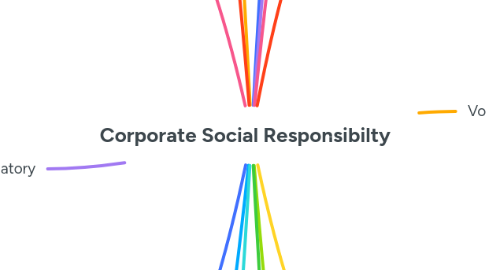
1. Definitions
1.1. Historical evolution (Mallen Baker, Cranfield University)
1.2. European Commission
1.3. Over 16 Internationally Accepted Definitions
1.4. Academic perspectives (Carroll, 2015; Dahlsrud, 2006)
1.5. World Business Council for Sustainabile Development
1.6. Need your organisation level Operational Definition
2. Standards
2.1. ISO 26000: Core principles and subjects (ISO, 2010)
2.2. Global Reporting Initiative (GRI): Sustainability reporting
2.3. Management Systems - Quality, Health, Safety, Environmentm HR, Governance, ESG, Energy Management, Water Management, Waste Management, Food
2.3.1. Third-Party Audits and Certifications
2.4. Type B Standards and Guidance GHG Reporting, Preventing Modern Day Slavery, Supply Chains, Circular Economy
2.5. UN SDGs, UN Global Compact: Human rights, labour, environment
2.6. SA8000: Social accountability in workplaces
2.7. B Corp & Responsible Investing Standards etc
2.8. OECD Guidelines (Plana Earth, 2024; ISO, 2010)
3. Trends
3.1. ESG (Environmental, Social, Governance) investing
3.2. Net Zero Innovations across Value Chain
3.3. Carbon Neutrality
3.4. Community Investments beyond Philantropic
3.5. Circular economy and zero-waste initiatives
3.6. Digital tools for CSR tracking (e.g., Microsoft Sustainability Manager)
3.7. Rise of B-Corporations (B Corp) and ethical certifications
4. Legal & Regulatory
4.1. EU CSR Directive: Mandatory sustainability reporting
4.2. Kyoto Protocol, Paris Agreement, etc setting Emissions targets (UNFCCC, 2025)
4.3. Local compliance: Labour laws, environmental regulations
4.4. Rising number of Anti-corruption frameworks: UK Bribery Act, FCPA
5. Risk & Challenges
5.1. CSR washing: Superficial claims vs. measurable impact, CSR as purely Marketing Initiative (AuditBoard, 2025)
5.2. Balancing profitability and ethical commitments (Carroll, 2015)
5.3. Stakeholder misalignment conflicts (e.g., shareholders vs. communities) a good example is cutting mangroves for a community entertainment area in heritage site.
5.4. Regulatory penalties for non-compliance
6. Indicators & Metrics
6.1. GRI Standards: Metrics for ESG reporting
6.1.1. KPIs: SROI, # People Served,Carbon footprint, energy efficiency, waste diversion
6.2. SROI (Social Return on Investment): Quantifying social impact
6.2.1. Community Impact Assessment
6.3. SDG Alignment against Indicators: Mapping performance of CSR initiatives to UN SDG goals and Indicators
7. Strategic Resources Management
7.1. Ethical supply chain management (Apple, 2025)
7.1.1. Fair business conduct (limbd.org; Carroll & Buchholtz, 2014)
7.1.2. Ethical sourcing, Supplier audits and standards, Human rights in the supply chain (limbd.org; Klassen & McLaughlin, 1996)
7.2. Strategic and Purposeful Resource allocation for CSR programmes (BSR, 2025)
7.3. Employee training and engagement (limbd.org, 2023)
7.3.1. Employee Well Being Initiatives
7.3.2. Inclusion, Codesign, Co creation, coevolution, agency Building and Ownership of CSR and Sustainability
7.3.3. Professional development (limbd.org; Garriga & Melé, 2004)
7.4. Technology integration (e.g., AI for sustainability analytics)
7.5. Diversity, Equity & Inclusion
7.6. Corporate Governance, Board structure and accountability, Leadership ethics , Transparent decision-making (limbd.org; Monks & Minow, 2008)
7.6.1. Human Rights, Non-discrimination, Prevention of forced and child labour in supply chain, supply chain traceability,, Global standards and frameworks (ISO 26000; limb.org; UN Global Compact)
8. Environmental
8.1. Emissions reduction (Scope 1, 2, 3)
8.2. Community Based Environment Projects - Energy Cooperatives, Recycling, Circular Economy Initiatives in Community
8.3. Renewable energy adoption (e.g., GE’s eco-imagination)
8.4. Biodiversity conservation (UN SDG 15)
8.5. Water stewardship and waste management
9. Social
9.1. Community development projects (Business in the Community)
9.2. Human rights protection (ISO 26000)
9.3. Diversity, Equity, and Inclusion (DEI) initiatives
9.4. Health and safety standards (ILO conventions, ISO 45000 Series)
10. Economic
10.1. Profitability as a foundation in hierachy (Carroll, 2015)
10.2. Ethical investments and fair trade
10.3. Economic impact assessments (limbd.org, 2023)
10.4. Supporting SMEs in supply chains
11. Stakeholder
11.1. ICE Framework: Identify Internal, Connected and Exetrnal Stakeholders, Consult, & Engage
11.2. Stakeholder mapping quadrants (high/low influence/power/interest)
11.3. Dialogue mechanisms (surveys, forums, partnerships)
11.4. Addressing conflicting priorities (Dahlsrud, 2006)
11.5. Building trust and legitimacy (Freeman, 1984; limb.org; Dahlsrud, 2006)
11.6. Responding to stakeholder concerns
12. Voluntary
12.1. Philanthropy (e.g., Grace Kennedy Model, Salesforce’s 1-1-1 model)
12.2. Employee volunteering programmes
12.3. Community based initiatives with Partnerships with NGOs (e.g., Article13)
12.4. Certifications (e.g., B Corp, Fair Trade)
13. Sustainability
13.1. Long-term strategic planning
13.2. Lifecycle analysis of products/services
13.3. Climate Action & Building Resilience to climate change (Mitigation, Adaptation and Resilience) (UN SDG 13)
13.4. Circular supply chains, resource management and innovation
13.5. CSR Strategy and Integration : Aligning CSR with business mission, vision, stated purpose and core business processes, Employee involvement and empowerment and Embedding CSR in core operations (Submittable, 2025; AuditBoard, 2025)
14. Goals & Objectives
14.1. SMART goals (Specific, Measurable, Achievable, Relevant, Time-bound, Worth, Assing, Yield (Impact)) S Focus on specific needs and opportunities. M Establish a measurement for each objective. A Be sure objectives are achievable as well as challenging. R Set stretch objectives that are also realistic. T Indicate a time frame for each objective. W Ensure that every objective is worth doing. A Assign responsibility for each objective. Y Ensure that all objectives stated will yield desired return or impact.
14.1.1. Impact measurement (KPIs, SROI), Third-party audits and certifications (GreenBiz, 2025; ISO 26000; SGS, 2011)
14.2. Alignment: Aligning CSR with business strategy (Submittable, 2025)
14.3. Cooperation and Benchmarking, learning from and with others. Joint Projects
14.4. Transparent reporting (Pattberg (2009); ISO (2010), GRI, CDP)
15. Models & Frameworks
15.1. Carroll’s CSR Pyramid: Economic, Legal, Ethical, Philanthropic
15.1.1. Charitable giving, Community development projects (Salesforce; limb.org; Carroll, 2015)