

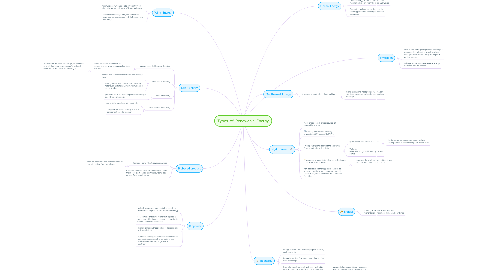
1. Biopower
1.1. After hydropower, biomass is this country’s second-leading resource of renewable energy
1.2. coal power plants have found that replacing some coal with biomass is a low-cost option to reduce undesirable emissions
1.3. using biomass in these boilers reduces nitrous oxide emissions
1.4. A process called gasification the conversion of biomass into gas, which is burned in a gas turbine is another way to generate electricity
2. Biobased product
2.1. Biomass—corn, wheat, soybeans, wood
2.1.1. produce chemicals and materials that we normally obtain from petroleum.
2.2. Commercial development is underway to make thermoset plastics, like electrical switch plate covers, from wood residues
3. Solar Energy
3.1. passive solar lighting and heating
3.1.1. called passive solar because no pumps, fans, or other mechanical devices are used
3.1.1.1. fill the home with natural sunlight, and dark tile or brick floors that store the sun’s heat and release it back into the home at night
3.2. solar water heating
3.2.1. consist of a solar collector and a water storage tank
3.2.2. three types of solar collectors for heating water such as flatplate, evacuatedtube, and concentrating
3.3. solar electricity
3.3.1. photovoltaic (PV) technology converts sunlight directly into electricity
3.4. solar thermal electricity
3.4.1. convert the sun’s heat into electricity.
3.4.2. using mirrors to focus sunlight Into a component called a receiver.
4. Wind Energy
4.1. wind turbines, which operate differently from windmills, are a much more efficient technology
4.2. mechanical drive systems, combined with advanced generators, convert that energy into electricity
5. Hydropower
5.1. most mature and largest source of renewable energy
5.2. Existing hydropower capacity is about 77,000 megawatts (MW).
5.3. Hydropower plants convert the energy in flowing water into electricity
5.3.1. hydropower uses a dam on a river
5.3.1.1. hydropower plants are now being designed and operated to minimize impacts on the river.
5.3.2. Water is released through turbines to generate power.
5.4. produce no air emissions but can affect water quality and wildlife habitats
5.4.1. improves the wildlife’s river habitat, it also reduces the power plant’s output
5.5. fish ladders and other approaches, such as improved turbines, are being used to assist fish with migration and lower the number of fish killed.
6. Biofuel
6.1. ethanol, an alcohol made from the fermentation of biomass high incarbohydrates
7. Bioenergy
7.1. energy derived from biomass (organic matter), such as plants
7.2. burned wood in a fireplace or campfire, you’ve used bioenergy
7.3. Example: industries, such as those involved in construction or the processing of agricultural products.
7.3.1. can create large quantities of unused or residual biomass, which can serve as a bioenergy source.
8. Geothermal Energy
8.1. to generate electricity or heat buildings
8.1.1. using geothermal heat pumps (GHPs), can stable temperature for heating and cooling buildings.