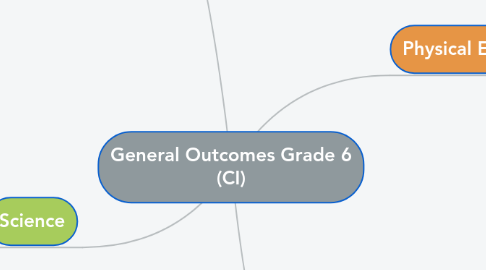
1.1. Statistics and Probability (Chance and Uncertainty): Use experimental or theoretical probabilities to represent and solve problems involving uncertainty.
1.2. Patterns and Relations (Patterns): Use patterns to describe the world and to solve problems.
1.3. Shape and Space (Transformations): Describe and analyze position and motion of objects and shapes.
1.4. Number: Develop number sense.
1.5. Shape and Space (Measurement): Use direct and indirect measurement to solve problems.
1.6. Shape and Space (3-D Objects and 2-D Shapes): Describe the characteristics of 3-D objects and 2-D shapes, and analyze the relationships among them.
1.7. Patterns and Relations (Variables and Equations): Represent algebraic expressions in multiple ways.
1.8. Statistics and Probability (Data Analysis): Collect, display and analyze data to solve problems.
2. Science
2.1. Air and Aerodynamics: Describe properties of air and the interactions of air with objects in flight.
2.2. Flight: Construct devices that move through air, and identify adaptations for controlling flight
2.3. Sky Science: Observe, describe and interpret the movement of objects in the sky; and identify pattern and order in these movements
2.4. Evidence and Investigation: (1) Apply observation and inference skills to recognize and interpret patterns and to distinguish a specific patterns from a group of similar patterns (2) Apply knowledge of the properties and interactions of materials to the investigation and identification of a material sample
2.5. Trees and Forests: Describe characteristics of trees and the interaction of trees with other living things in the local environment
3. ICT - Information & Communication Technology
3.1. Students learn and apply ICT knowledge and skills while learning in content areas such as language arts, mathematics, science and social studies.
4. Physical Education
4.1. Activity: Students will acquire skills through a variety of developmentally appropriate movement activities; dance, games, types of gymnastics, individual activities and activities in an alternative environment; e.g., aquatics and outdoor pursuits.
4.2. Benefits Health: Students will understand, experience and appreciate the health benefits that result from physical activity.
4.3. Cooperation: Students will interact positively with others.
4.4. Do it Daily for Life: Students will assume responsibility to lead an active way of life.
5. Health and Lifeskills
5.1. Relationship Choices: Students will develop effective interpersonal skills that demonstrate responsibility, respect and caring in order to establish and maintain healthy interactions.
5.2. Life Learning Choices: Students will use resources effectively to manage and explore life roles and career opportunities and challenges.
5.3. Wellness Choices: Students will make responsible and informed choices to maintain health and to promote safety for self and others.