


Pharmaceutical Pain Management During Labor
Toni Zappullaにより
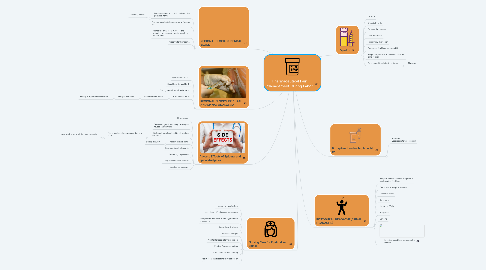
1. REGIONAL BLOCK: PUDENDAL BLOCK
1.1. Local anesthetic such as lidocaine to the pudendal nerve
1.1.1. Very long needle
1.2. Provides anesthetic for episiotomy, forceps etc.
1.3. Numbs the area, client may lose the sensation to bear down (push), which may impede labor
1.4. Observe for hematoma
2. REGIONAL BLOCKS: EPIDURAL AND SPINAL ANALGESIA
2.1. Epidural for a NSVD
2.2. Spinal for a Surgical Birth
2.3. Strong narcotics such as fentanyl
2.4. Contraindicated in
2.4.1. Increased WBC count
2.4.1.1. Low platelet count
2.4.1.1.1. History of Hypertensive disorder
3. Adverse Effects of Epidural and Spinal Analgesia
3.1. Hypotension
3.2. Decreased gastric emptying resulting in nausea and vomiting
3.3. Inhibition of bowel and bladder elimination sensations
3.3.1. May impede the labor process during a NSVD
3.3.1.1. As a result, a surgical birth may be needed
3.4. Inability to bare down
3.4.1. During a NSVD
3.5. Bradycardia or tachycardia
3.6. Respiratory depression
3.7. Allergic reaction and pruritus
3.8. Elevated temperature
4. Nursing Care for Epidural and Spinal
4.1. Monitor for hypotention
4.2. May give an IV bolus prior to insertion
4.3. May give another bolus after if hypotention is occurring
4.4. Keep client side lying
4.5. Monitor vital signs
4.6. Monitor for respiratory depression
4.7. Monitor Oxygen saturation
4.8. Continuous fetal monitoring
4.9. Assist client the first time they get out of bed
5. Opioids
5.1. IM or IV
5.2. Opioids IM or IV
5.3. Crosses the placenta
5.4. CNS depression
5.5. Respiratory depression
5.6. Decreased fetal heart rate variability
5.7. Respiratory distress in the newborn at the time of birth
5.8. Be prepared to administer antidote
5.8.1. Naloxone