

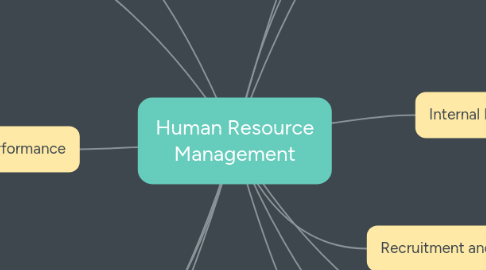
1. Goal
2. Managing Traning
3. Motivation
4. Incentives
4.1. Rewards
4.1.1. Recognition
4.1.1.1. Fit with personal values
5. Performance
5.1. Work Design
5.1.1. Policies and procedures
5.1.1.1. Rules and regulations
5.1.1.1.1. Work process
5.1.2. Job Requirements
5.1.2.1. Roles and responsibilities
5.2. Information
5.2.1. Data
5.2.1.1. Reports
5.2.1.1.1. Database
5.3. Resources
5.3.1. Time
5.3.1.1. Supplies
5.3.1.1.1. Earning
5.4. Performance feed back
5.4.1. Measurement
5.4.1.1. Performance review
5.4.1.1.1. Coaching and mentory
6. Training
6.1. Accessing train Needs
6.1.1. Task Analysis
6.1.1.1. Competency Analysis
6.2. Training process
6.2.1. Managing training
6.2.1.1. Team
6.2.1.1.1. Mentoring
6.3. Skills
6.4. Knowledge
6.5. Learnings
6.6. Instruction
7. Marketing
7.1. Production
7.1.1. Financial
8. HR
8.1. Compensation
8.1.1. Security and safety
8.1.1.1. Training and development
8.1.1.1.1. Personnel
9. Personal forecast
9.1. Forecasting Tools
9.1.1. Trend Analysis
9.1.1.1. Ratio Analysis
9.1.1.1.1. Scatter plotting
10. Internal Recruitment
10.1. Selection process
10.1.1. Final Examination
10.1.1.1. Final interview
10.1.1.1.1. Premimory screening
11. Promotion
12. Leaves
13. Services
13.1. Minimum salary
13.2. PF
13.3. Medical deduction
13.4. ESIC
13.5. Career planning development
13.5.1. Employment career management
13.5.1.1. Typical career development
14. Recruitment and selection
14.1. Job offers
14.1.1. Business Strategy
14.1.1.1. Training
14.1.1.1.1. HR Strategy