


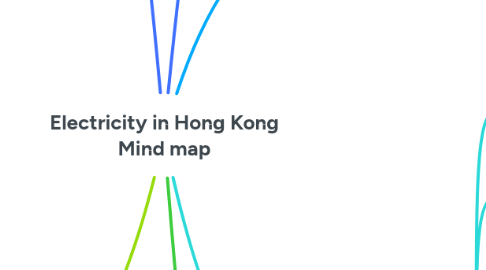
1. Why do we have to fix this issue
1.1. Political: government carbon neutrality pledge by 2030
1.1.1. goal of 10% electricity generated by renewables in 2030
1.2. Soothe public disarray and chaos
1.3. Return Hong Kong back to a global financial hub with the use of electricity
1.4. Ecological: climate change data about Hong Kong
1.4.1. Globally, September 2023 was the warmest September in the 174-year NOAA record
1.4.2. The melting ice sheets now account for a quarter of all sea level rise – a fivefold increase since the 1990’s – according to IMBIE
1.4.3. The increasing trends of annual rainfall and annual number of heavy rain days during 1884-2022 are statistically significant at 5% level. (average rise of 2.2 mm per year from 1884 to 2022)
2. What are the problems caused by this issue
2.1. Personal
2.1.1. Disruption of daily routines and activites that rely on electricity (eg. cooking, electronic device usages)
2.1.2. Limited access to lighting affects personal safety and productivity at night
2.1.3. Increased chance of sickness or crime happening to oneself
2.1.4. Difficulty accessing communication channels and emergency services due to power dependent communication systems
2.2. Social:
2.2.1. Disruption of public transportation systems leads to difficulties in commuting and travel
2.2.2. Limited or no access to essential and emergency services
2.2.3. Social disarray occurs
2.3. Territorial:
2.3.1. Potential increase of congestion and traffic issues
2.3.2. Higher risk of accidents and safety hazards
2.3.3. Difficulties in maintaining public order, safety, and security
2.4. Economic:
2.4.1. Disruption of businesses and commercial activities, leading to financial losses and economic instability
2.4.2. Reduced productivity in manufacturing, tourism, commercial, and technology sectors
2.4.3. Increased cost and demand for all products that may not be met
2.5. Environmental:
2.5.1. Potential increase in carbon emissions if alternative fossil fuel-based power sources are used
2.5.2. Risk of environmental damage due to improper disposal of waste products (eg. trash, animal waste, water waste)
2.5.3. Negative impacts on wildlife and ecosystems from environmental monitoring systems being down
3. How do we fix this issue
3.1. Provide guidance to contractors to implement electricity saving systems safely and legally
3.2. Lobby government to invest in green energy
3.2.1. RE projects
3.2.1.1. HK government earmarked HK$3 billion in total since the 2017-18 financial year for the installation of small-scale RE facilities at government buildings, venues and facilities with about 170 projects under implementation
3.2.2. Heavier reliance on electric cars
3.3. Increase subsidies on green architecture
3.4. government policies
3.4.1. “Towards a Better Hong Kong: Pathways to Net Zero Carbon Emissions by 2050”
3.5. increase public awareness and education
3.6. increase energy efficiency (improve technology)
4. Applications
4.1. Main usages (data from 2020)
4.1.1. Residential (29%): charging electronics, a.c. (39%), home lighting (5%), electric stoves
4.1.2. Transportation (2%): electric cars, MTR, lighting, vertical transportation (6%), goods vehicles
4.1.3. Commercial (64% of total): billboard lightings (12%), tourism ads, heating / air conditioning in large scale. (25%)
4.1.4. Industrial (5%), industrial equipment (40%), air conditioning (22%)
4.1.5. Lighting (10%), cooling, heating, transportation, refrigeration (3%), air conditioning (31%), cooking (9%), hot water (4%), office equipment (7%)
4.1.5.1. buildings account for over 90% of electricity usage in HK
5. When - History
5.1. 1888 established first coal-fired power plants in HK
5.2. The HK Electric Company established the first power plant in 1890, using steam engines supplied for central districts
5.3. China Light and Power Company was established in 1901, providing electricity to the New Territories
5.4. In 1919, an advanced power station was built in North Point by the HK Electric Company
5.5. In 1978, a Solar Hot Water Plant was installed
5.6. 1980s solar cells have been employed to generate power
5.7. Since 2000, Hong Kong Observatory began to use wind power as an energy source in some remote automatic weather stations which have been relying on solar power
5.8. first commercial-scale wind power station was completed in February 2006
6. Ways of generating electricity
6.1. Fossil fuels
6.1.1. Coal (about 25%), oil, natural gas (about 50%) (local and imported)
6.2. Renewables (0.4%)
6.2.1. Land fill gas, biogas and sludge incineration process, PV panels and wind power, solar energy used to heat water, wave energy