


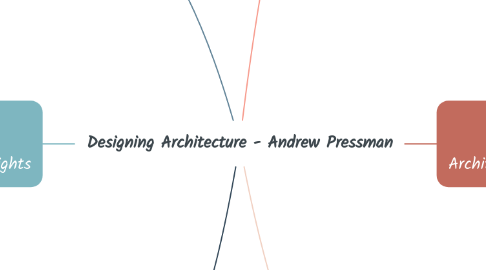
1. Future of Architectural Design
1.1. AI & Computational Design
1.1.1. Revolutionizing efficiency and adaptability in architecture.
1.2. Sustainable & Adaptive Buildings
1.2.1. Designing for climate resilience and reduced environmental impact.
1.3. Affordable Housing & Urban Innovation
1.3.1. Addressing global housing shortages through smart urban planning.
2. Emotional Impact of Spaces
2.1. Well-Designed Spaces
2.1.1. Enhance well-being, productivity, and human interaction.
2.2. Poorly Designed Spaces
2.2.1. Cause stress, discomfort, and lack of engagement.
2.3. Elements That Influence Mood
2.3.1. Lighting, textures, colors, and spatial organization.
3. Architectural Process
3.1. Research Phase
3.1.1. Site analysis, climate study, and user needs.
3.1.2. Environmental and material considerations.
3.2. Concept Development
3.2.1. Sketching, modeling, and experimenting with layouts.
3.2.2. Exploring materials and construction techniques
3.3. Execution Phase
3.3.1. Integrating engineering, sustainability, and feasibility.
3.3.2. Construction, project management, and real-world application.
4. Critiques & Insights
4.1. Strength
4.1.1. Balances architectural theory and real-world practice.
4.1.2. Provides case studies and practical insights.
4.2. Limitations
4.2.1. Lacks in-depth discussion on AI & computational design.
4.2.2. Could include more content on future trends in architecture.
5. Significance of Architecture
5.1. Architecture shapes human experiences and interactions with spaces.
5.2. Good design enhances functionality, aesthetics, and sustainability, improving daily life.
5.3. Buildings reflect cultural, historical, and social values, influencing communities and societal development.
6. Key Highlights from the Book
6.1. Design Thinking
6.1.1. A problem-solving approach for creative, functional solutions.
6.2. Sustainability
6.2.1. Importance of energy-efficient materials and eco-friendly design.
6.3. Balancing Creativity & Functionality
6.3.1. The challenge of merging aesthetic vision with structural constraints.