


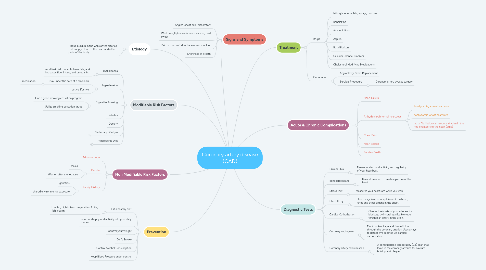
1. Modifiable Risk Factors
1.1. dyslipidemia
1.1.1. modified diet that cuts trans fats, and increases fiber intake, and omega 3's
1.2. hypertension
1.2.1. Stay under the care of a physician
1.2.1.1. medication
1.2.2. active lifestyle
1.3. Cigarette Smoking
1.3.1. Find a good smoking cessation program
1.3.2. Utilize smoking cessation drugs
1.4. diabetes
1.5. Obesity
1.6. Sedentary Lifestyle
1.6.1. Exercise
1.7. Atherogenic Diet
1.7.1. more omega 3's, fresh fruits, veggies
2. Non Modifiable Risk Factors
2.1. Advanced Age
2.2. Gender
2.2.1. Males
2.2.2. Women after menopause
2.3. Family History
2.3.1. genetics
2.3.2. shared environmental exposure
3. Prevention
3.1. Eat a healthy diet
3.1.1. Low fat, high in fresh vegetables, fruits, fish, poultry
3.2. Incorporate physical activity into your daily routine
3.3. Control your weight
3.4. Don't Smoke
3.5. Control Alcohol Consumption
3.6. Keep Blood Pressure under control
4. Signs and Symptoms
4.1. Angina-chest pain/discomfort
4.2. Weakness, light-headedness, nausea, cold sweat
4.3. Pain or discomfort in the arms or shoulder
4.4. Shortness of breath
5. Etiology
5.1. Plaque buildup in the walls of the arteries that supply blood to the heart and other parts of the body
6. Treatment
6.1. Drugs
6.1.1. Nitroglycerin tablets, sprays, patches
6.1.2. Ranolazine
6.1.3. Ace Inhibitors
6.1.4. Aspirin
6.1.5. Beta Blockers
6.1.6. Calcium Channel Blockers
6.1.7. Cholesterol Modifying Medications
6.2. Procedures
6.2.1. Angioplasty-Stent Replacement
6.2.2. Surgical Procedure
6.2.2.1. Coronary artery bypass surgery
7. Acute & Chronic Complications
7.1. Heart Failure
7.2. Arrhythmia-abnormal heartbeat
7.2.1. bradycardia, a slow heart rate
7.2.2. tachycardia, a fast heart rate
7.2.3. atrial fibrillation- an irregular rhythm in the top chambers of the heart (atria)
7.3. Chest Pain
7.4. Heart Attack
7.5. Sudden Death
8. Diagnostic Tests
8.1. ECG or EKG
8.1.1. Measures electrical activity and regularity of your heartbeat.
8.2. Echocardiogram
8.2.1. Uses ultrasound to create a picture of the heart
8.3. Stress Test
8.3.1. Measures your heart rate while you walk
8.4. Chest X-ray
8.4.1. Uses x-rays to create a picture of the heart, lungs and other organs in the chest.
8.5. Cardiac Catherization
8.5.1. Checks the inside of your arteries for blockage by inserting a flexible tube through an artery in the groin.
8.6. Coronary angiogram
8.6.1. Monitors blockage and flow of blood through the coronary arteries. Uses x-rays to detect dye injected via cardiac catherization.
8.7. Coronary artery calcium scan
8.7.1. A computerized tomography (CT) scan that looks in the coronary arteries for calcium buildup and plaque.