


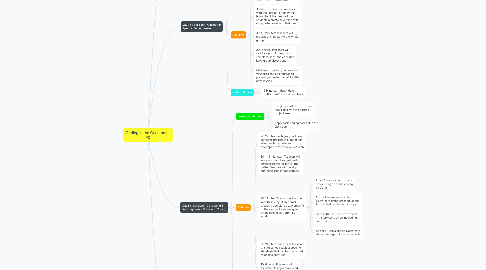
1. Day 1 (1 Session) - Why Code? Coding Platforms for the Classroom
1.1. Learning Outcomes
1.1.1. Understand the importance of coding in 21st century curriculum and how it enhances critical thinking, problem solving, and confidence amongst learners.
1.1.2. Explore popular coding platforms and understand how thet work
1.2. Activties
1.2.1. 15- 20 Minutes: Scratch Coding Activity
1.2.2. 25 - 30 Minutes: Short Video about the positive effects of coding for all grade levels
1.2.2.1. Sample Articles/Videos
1.2.3. 30-45 Minutes: Small Group Coding Task - Turtle Coding Puzzles
1.2.4. 15- 20 Minutes: Presenter led Group Discussion & Reflection about Coding in the classroom
1.3. Post PD Survey
1.3.1. 5 Mknutes: Independent Reflection/Presenter Feedback
2. Day 2 ( 1 Session) - Coding for Specific Subject Areas
2.1. Learning Outcomes
2.1.1. Explore popular coding platforms and understand how thet work
2.1.2. Design specialized instruction that aligns with the desired subject area
2.2. Activities
2.2.1. 15 - 20 Minutes: In small groups, teachers will explore Code.org to find just one lesson that can be tied into their curriculum
2.2.1.1. Code.org
2.2.2. 30 Minutes: Teachers will work with their group to modify the lesson to fit the needs of their students & create an outline of it on a posterboard with their group
2.2.3. 30-45 Minutes: Teachers will present their poster to the whole group
2.2.4. 20 Minutes: Presenter will facilitate pros & cons, show sample lessons, and conclude large group discussions
2.2.5. Challenge: Teacher your lesson to your class and be prepared to present your reflection of it at the next session
2.3. Post PD Survey
2.3.1. 5 Minutes: Independent Reflection/Presenter Feedback
3. Day 3 (1 Session) - Developing & Refining Lesson Plans with Coding
3.1. Learning Outcomes
3.1.1. Design specialized instruction that aligns with the desired subject area
3.1.2. Apply basic coding concept in the classroom
3.2. Activties
3.2.1. 20 Minutes: Each group will have someone present their reflection after teaching the lesson developed in the previous session
3.2.2. 30 - 45 Miunutes: Teachers will work in a team to adjust/make changes to this lesson for the better. Teachers will develop another lesson if time permits
3.2.3. 30 Minutes: Teachers will regroup with their subject area small groups & complete a task specific to their subject area using an online coding platform, like scratch
3.2.3.1. ELA - Create a short story or comic using an online coding platform
3.2.3.2. Math - Use an online coding platform to graph linear equations & show their y intercept & slope
3.2.3.3. Social Studeis - Recreate a scene in history using an online coding platform
3.2.3.4. Science - Use a coding platform to show the stages of the water cycle
3.2.4. 30 Minutes: Teachers will develop a list of various subject specific standards that can be connected to coding activities
3.2.5. 10 Minutes: Presenter will facilitate closing remarks and drive home points about why coding is so important to education & better our skills
3.3. Post PD Survey
3.3.1. 5 Minutes: Independent Reflection/ Presenter Feedback
3.3.2. 5 Minutes: Form a Small Group Chat/Messenger with subjecft area teachers
4. Day 4 - (1 Session) Developing Rubrics & Grading Scales for Coding in the Classroom
4.1. Learning Outcomes
4.1.1. Apply basic coding concepts in the classroom
4.1.2. Build rubrics to use coding assessment to evaluate student progress
4.2. Activities
4.2.1. Presenter will give each group a printed copy of two different coding projects
4.2.2. 30 Minutes: Teachers will work in teams to evaluate the projects and give feedback
4.2.3. 15-20 Minutes: Presenter will give a mini lesson on evaluating coding projects and share a sample rubric
4.2.4. 1 Hour (Work Session): Teachers will break into small groups and create their own content specific rubrics. Teacher should create a rubric to go directly with a lesson they created previously.
4.3. Post PD Survey
4.3.1. 5 Minutes: Independent Reflection/ Presenter Feedback
4.3.2. Keep open communication with small group by subject area