


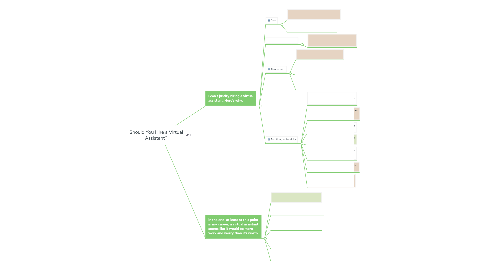
1. I can’t justify hiring a virtual assistant. Here’s why.
1.1. Cost
1.1.1. It’s an expense, it’s money out the window, it’s a liability that hopefully receives an ROI.
1.1.2. But there’s no guarantee and it’s not as easy as dividing their hourly rate by yours.
1.2. Time to hire a good one
1.2.1. The process takes ample time that you could put into the very tasks you're hiring them to do.
1.3. Time to train
1.3.1. You have to be ready to sink time into onboarding a virtual assistant
1.3.2. And they can quit at any time and probably has a half a dozen other clients they’re working with.
1.3.3. It’s not only a time hoover, but it’s also a risky investment that could disappear in an instant with a single Slack DM.
1.4. Sacrificing authenticity
1.4.1. Have you ever gotten an email from an independent entrepreneur and it’s a virtual assistant instead?
1.4.2. It can feel like you were brushed aside and pushed into a productivity funnel that actually overcomplicates the process.
1.4.3. Busy CEOs with executive assistants must operate this way.
1.4.4. But if you're a solopreneur, give it some thought
1.4.5. How do you know you’re not just being lazy or overestimating yourself (i.e. it’s trendy to have a virtual assistant).
1.4.6. The relationship might not go as well with your virtual assistant and your clients
1.4.7. It's risky to replace yourself with a “stranger” and could make some valuable business relationships feel colder.