Unlock the full potential of your projects.
Try MeisterTask for free.
Non hai un account?
Iscriviti gratis
Naviga
Mappe in primo piano
Categorie
Gestione del progetto
Affari e obiettivi
Risorse umane
Brainstorming e analisi
Marketing e contenuti
Istruzione e note
Intrattenimento
Vita
ICT
Design
Sintesi
Altro
Lingue
English
Deutsch
Français
Español
Português
Nederlands
Dansk
Русский
日本語
Italiano
简体中文
한국어
Altro
Mostra mappa intera
Copia ed edita mappa
Copia
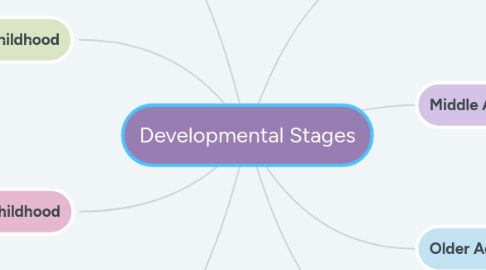
Developmental Stages
Altro
HP
Hilary Pinto
Seguire
Iniziamo.
È gratuito!
Iscriviti con Google
o
registrati
con il tuo indirizzo email
Mappe mentali simili
Schema mappa mentale
Developmental Stages
da
Hilary Pinto
1. Pranatal
1.1. Erarliest influences on development can impact later growth during childhood.
1.2. Perceptions that fetuses are capable of detecting in the womb.
1.3. Potential problems that have an impact on the future development.
2. Early Childhood
2.1. Remarkable growth and change.
2.2. Children want to explore their world and try new things.
2.3. Language skills develop quickly.
2.4. Kids need to achieve their full potential.
3. Middle Childhood
3.1. Physical maturation and increase importance of social influences
3.2. Children form friendships and competency
3.3. Children build their sense of selt
3.4. Kids deal with social emotional and mental health issues.
4. Adolescence
4.1. Identity formation, they explore the questions who they are and who they want to be.
4.2. There are puberty emotional and social pressure issues.
4.3. Movement away from the family fowards a more independent life.
5. Early Adulthood
5.1. Forming and maintaining relationships.
5.2. Forming bonds, intimacy, close friendships and starting a family.
5.3. Building healthier relationships and combat emotional difficulties.
6. Middle Adults
6.1. Sense of purpose and contribution to society.
6.2. The need to leave a mark on the next generation.
6.3. Careers, families and community can contribute to the feeling of generativity.
7. Older Adults
7.1. Poor health, mental declines related to dementia.
7.2. A time of reflection back on life.
7.3. They pace the end of their lives.
8. References
8.1. Craig, G. & Dunn, W. (2010). Understanding human development. Prentice hall
Comincia. È gratis!
Connetti con Google
o
Registrati