
OECS Strategic Plan

This Strategic Framework for 2021-2027 sets out our understanding of the drivers that will shape the future of the OECS. It identifies the approach we will take within this strategic context, and highlights our priorities in providing value for our Member States and Development Partners.

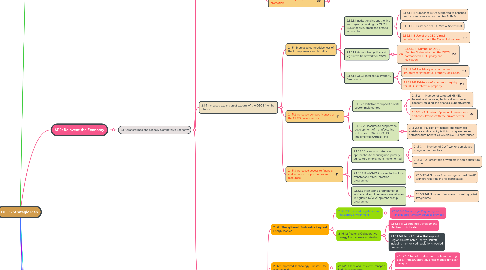
1. Output Indicators
2. Outputs
3. Immediate Outcomes
4. Intermediate Outcomes
5. Ultimate Outcomes
6. Strategic Priorities
7. SP1: Accelerate Regional Integration
7.1. 1.1 A Functional Economic Union: 100 unit
7.1.1. 1.1.1 OECS citizens’ increased use of the benefits of the ECEU Free Movement of Persons Regime
7.1.1.1. 1.1.1.1 Citizen's Right to move freely Enabled
7.1.1.1.1. 1.1.1.1.1 Portability of Short-term Social Security Benefits Enabled
7.1.1.1.2. 1.1.1.1.2 Contingent Rights Enabled
7.1.1.1.3. 1.1.1.1.3 Border Management Systems and Procedures Harmonised (People movement)
7.1.1.1.4. 1.1.1.1.4 The OECS ID verification platform deployed
7.1.2. 1.1.2 A fully functional Customs Union with unified trade and business facilitation
7.1.2.1. 1.1.2.1 Harmonised policy, legislative, regulatory and institutional framework for the Customs Union, Business and Trade Facilitation Enabled
7.1.2.1.1. 1.1.2.1.1 National and Regional Risk Management mechanisms for Trade in Goods
7.1.2.1.2. 1.1.2.1.2 Harmonized Border Management Systems for Customs Union and Free Circulation of Goods
7.1.2.1.3. 1.1.2.1.3 Harmonised Legislation and Regulations for Customs Union and Free Circulation of Goods
7.1.2.1.4. 1.1.2.1.4 A Harmonized Regional Border Tax System
7.1.2.1.5. 1.1.2.1.5 Roadmap for the implementation of the WTO TFA including the mobilisation of financial and technical assistance and capacity building
7.1.2.1.6. 1.1.2.1.6 Common policies and treatment of regional trade in goods
7.1.2.1.7. 1.1.2.1.7 Harmonised Regional Trade Policy Framework
7.1.2.1.8. 1.1.2.1.8 Availability of an OECS Maritime Transportation Policy
7.1.2.2. 1.1.2.2 Enhanced enabling environment for doing business within the OECS
7.1.2.2.1. 1.1.2.2.1 Harmonised OECS Legislative and Regulatory Services Regime (Article 26)
7.1.2.2.2. 1.1.2.2.2 Harmonised OECS Framework for Data Collection for Businesses Services
7.1.2.2.3. 1.1.2.2.3 Harmonised OECS Consumer Protection Legislative and Regulatory Framework Developed
7.1.2.2.4. 1.1.2.2.4 Protocol Member States each have the systems, tools, regulations and skills to deliver consumer protection services
7.1.3. 1.1.3 Strengthened decision-making at the national and regional levels for regional integration
7.1.3.1. 1.1.3.1 Increased access to data and information to support Regional Integration
7.1.3.1.1. 1.1.3.1.1 Programme for further integrating within ECEU
7.1.3.1.2. 1.1.3.1.2 ECEU Regional Integration Progress Report published
7.1.3.1.3. 1.1.3.1.3 OECS Labour Force Survey (LFS) Toolkit
7.1.3.1.4. 1.1.3.1.4 Availability of economic, social and environmental data
7.1.3.2. 1.1.3.2 Strengthened and Coordinated National Statistical Systems
7.1.3.2.1. 1.1.3.2.1 Member States supported to produce and disseminate statistics
7.1.4. 1.1.4 Increased adoption of common OECS Positions on Regional and International Policy Issues
7.1.4.1. 1.1.4.1 Harmonisation and Coordination of Foreign Policy
7.1.4.1.1. 1.1.4.1.1 Joint Diplomatic Representation for Member States in Areas approved by Authority (Accession of St. Martin)
8. SP2: Reinvent the Economy
8.1. 2.1 A transformed and Globally Competitive Economy
8.1.1. 2.1.1 Increased Competitiveness of the Productive Sectors (Agri and Tourism)
8.1.1.1. 2.1.1.1 Enhanced capacity for Tourism and Agriculture Sector Development
8.1.1.1.1. 2.1.1.1.1 Updated Common OECS Tourism Policy
8.1.1.1.2. 2.1.1.1.2 Tourism Product Enhancement
8.1.1.1.3. 2.1.1.1.3 Joint Tourism Marketing (Article 21 RBT)
8.1.1.1.4. 2.1.1.1.4 Youth participation in agriculture at all points in the value chain
8.1.1.1.5. 2.1.1.1.5 Development of niche high value products e.g. honey, cannabis, coconut oil etc
8.1.1.2. 2.1.1.2 Improved sustainability in the tourism sector
8.1.1.2.1. 2.1.1.2.1 Framework for Implementation of Sustainable Tourism Policy developed
8.1.1.3. 2.1.1.3 Improved food and nutrition security in the region through the implementation of the OECS FAST strategy priorities
8.1.1.3.1. 2.1.1.3.1 Youth participation in agriculture at all points in the value chain
8.1.1.3.2. 2.1.1.3.2 Increased production in select value chains
8.1.1.3.3. 2.1.1.3.3 Greater private sector development and growth in agriculture
8.1.2. 2.1.2 Improved Macro-economic stability in the Blue/Green sectors
8.1.2.1. 2.1.2.1 Strengthened Enabling Environment and Capacity for Blue/Green sector development
8.1.2.1.1. 2.1.2.1.1 Regional Governance and Regulatory Frameworks for the green-Blue economy
8.1.2.1.2. 2.1.2.1.2 Capacity Built for Governance and Sustainable Economic approaches
8.1.2.2. 2.1.2.2 Increased adoption of sustainable approaches in the Blue/Green Economy
8.1.2.2.1. 2.1.2.2.1 Financing Mechanisms and actions in Support of Green/Blue Economy advancement
8.1.2.2.2. 2.1.2.2.2 Sustainable Consumption and Production Mainstreamed
8.1.2.2.3. 2.1.2.2.3 Documented Best Practices in Climate Change Organic Agriculture Environmentally friendly Practices (Cambio. Net Project)
8.1.3. 2.1.3 Strengthened decision-making at the national and regional levels for economic development
8.1.3.1. 2.1.3.1 Increased access to data and information that support economic development
8.1.3.1.1. 2.1.3.1.1 Member States' capacity to measure the impact of tourism strengthened
8.1.3.1.2. 2.1.3.1.2 Research, trade information and market intelligence available
8.1.3.1.3. 2.1.3.1.3 Availability of agriculture statistics
8.1.3.1.4. 2.1.3.1.4 Member States supported to produce and disseminate business demography statistics
8.1.3.1.5. 2.1.3.1.5 Monitoring Framework and Action Plan for the implementation of the OECS Development Strategy
8.1.3.2. 2.1.3.2 Improved Economic and Fiscal assessment of Energy options
8.1.3.2.1. 2.1.3.2.1 Economic and Fiscal studies on impacts of energy options
8.1.3.2.2. 2.1.3.2.2 Economic and Fiscal tools, models and methodologies developed for energy
8.1.3.2.3. 2.1.3.2.3 Capacity Building and Sensitization initiatives on Energy and Economy
8.1.4. 2.1.4 Increased intra and extra regional Trade
8.1.4.1. 2.1.4.2 Increased access to digital services, technology and skills by businesses and individuals
8.1.4.1.1. 2.1.4.2.1 Legal and regulatory framework to support a digital-enabling environment
8.1.4.1.2. 2.1.4.2.2 Digital skills and technology adaptation
8.1.4.2. 2.1.4.1 Enhanced capacity for trade promotion
8.1.4.2.1. 2.1.4.1.1 Incubator and accelerator programmes
8.1.4.2.2. 2.1.4.1.2 Initiatives to support export growth and market expansion
8.1.4.2.3. 2.1.4.1.3 Alternative sources of finance for MSMEs available
8.1.4.2.4. 2.1.4.1.4 Virtual Trade Platform
8.1.5. 2.1.5 Increased expansion of exports of the OECS Member States
8.1.5.1. 2.1.5.1 Increased competitiveness of the Entrepreneurs and MSMEs
8.1.5.1.1. 2.1.5.1.1 Institutional strengthening and capacity building for OECS BSOs for blue, green and orange economies
8.1.5.1.2. 2.1.5.1.2 Harmonised policy and legislative framework for MSME
8.1.5.1.3. 2.1.5.1.3 OECS Intellectual Property Directorate
8.1.5.2. 2.1.5.2 Increased competitiveness of the OECS private sector
8.1.5.2.1. 2.1.5.2.1 Initiative to support private sector implemented
8.1.5.2.2. 2.1.5.2.2 Measures to support the development of manufacturing industries in CARICOM LDC implemented (Article 164)
8.1.5.3. 2.1.5.3 Increased access to financial and economic opportunities and resources
8.1.5.3.1. 2.1.5.3.1 Marketing strategy with approaches to securing non-primary agriculture employment implemented
8.1.5.3.2. 2.1.5.3.2 Post-SWAP worker technology transfer and MSME creation programme
8.1.5.3.3. 2.1.5.3.3 Monitoring programme for worker and employer relations/ Women in Agriculture(WiA) apprenticeship programme
8.1.6. 2.1.6 Enhanced energy security and affordability
8.1.6.1. 2.1.6.1 Strengthened Sustainable Regional Energy Market
8.1.6.1.1. 2.1.6.1.1 Enhanced Legislative and Regulatory Environment
8.1.6.1.2. 2.1.6.1.2 Regional Collaborative Energy Mechanisms established
8.1.6.2. 2.1.6.2 Improved Technology Transfer, Use and Innovation
8.1.6.2.1. 2.1.6.2.1 Clean and Efficient Transport Initiatives supported
8.1.6.3. 2.1.6.3 Strengthened Capacity for Sustainable Energy
8.1.6.3.1. 2.1.6.3.1 Institutions, Sectors, Communities and Individuals Empowered for Sustainable Energy
8.1.6.4. 2.1.6.4 Diversified energy mix
8.1.6.4.1. 2.1.6.4.1 Sustainable Energy Mainstreamed
8.1.6.4.2. 2.1.6.4.2 Energy Transition Facilitated
9. SP3: Value the Environment
9.1. 3.1 Natural Systems are Healthy Productive and Leveraged for Socio-Economic Development
9.1.1. 3.1.1 Strengthened enabling environment to secure the long-term benefits from environmental and natural resources
9.1.1.1. 3.1.1.1 Ensure the value of the Regions Natural Resources form part of the Development Process (total value of Natural Capital (Assets) applied/utilised or leveraged in the development process)
9.1.1.1.1. 3.1.1.1.1 Mechanisms to support Natural Resource valuation and accounting in place
9.1.1.2. 3.1.1.2 Strengthened Regional and National Decision Making through increased access to Data/Information for Sustainable management of the Environment
9.1.1.2.1. 3.1.1.2.1 Regional and Environmental Information Systems and Processes established
9.1.1.3. 3.1.1.3 Increased Application of environmentally sound policies and practices at all levels (public and private and civil society)
9.1.1.3.1. 3.1.1.3.1 Interventions that promote sustainable and inclusive livelihoods implemented
9.1.2. 3.1.2 Increased Knowledge of OECS Citizens on Environmental opportunities and Practices
9.1.2.1. 3.1.2.1 Increased Advocacy, Outreach, and Engagement (Environment)
9.1.2.1.1. 3.1.2.1.1 Communication and Engagement strategies and plans Implemented
10. SP4: Build Resilience
10.1. 4.1 Reduced Economic, Social and Environmental Vulnerability
10.1.1. 4.1.1 Strengthened Communities, Systems Infrastructure and People
10.1.1.1. 4.1.1.1 Enhanced capacity at the national and regional level to plan, manage and mitigate for extreme events
10.1.1.1.1. 4.1.1.1.1 Resilience Frameworks Strengthened
10.1.1.1.2. 4.1.1.1.2 Capacity Building Initiatives in support of Resilience Conducted
10.1.1.1.3. 4.1.1.1.3 Increased Advocacy, Engagement and evidenced based decision making that support management of extreme events
10.1.1.1.4. 4.1.1.1.4 Essential Services Infrastructure meet recommended design guidelines for resilience
10.1.1.1.5. 4.1.1.1.5 Sector and Community level Interventions
11. SP5: Advance Equity and Inclusion
11.1. 5.1 Reduced Disparities in Health, Education and Social Outcomes
11.1.1. 5.1.1 Improved Delivery of Quality Health, Education and Social Services
11.1.1.1. 5.1.1.1 Expanded access and Improved student learning in basic education
11.1.1.1.1. 5.1.1.1.1 Pre-Primary learning facilities expanded and upgraded
11.1.1.1.2. 5.1.1.1.2 Services for SEN Children Improved
11.1.1.1.3. 5.1.1.1.3 Flexible and Learner-Centered Curriculum and Assessment Strategies
11.1.1.1.4. 5.1.1.1.4 Teachers’ competencies improved
11.1.1.1.5. 5.1.1.1.5 Improved quality and accountability of leadership and management
11.1.1.2. 5.1.1.2 Enhanced Policies, Laws and Practices to support Inclusion, Reintegration and Social Protection Services
11.1.1.2.1. 5.1.1.2.1 OECS Social Inclusion and Social Protection Strategy and Plan implemented
11.1.1.2.2. 5.1.1.2.2 Model Family Bills passed in the OECS
11.1.1.2.3. 5.1.1.2.3 OECS Regional Integrated Child Policy
11.1.1.2.4. 5.1.1.2.4 Violence Reduction Policies and Programmes supported (Gender Based Violence/ Child Violence/ Elder Abuse)
11.1.1.2.5. 5.1.1.2.5 Policies and practices for Children and Youth in Conflict with the law
11.1.1.3. 5.1.1.3 Enhanced Capacity to Deliver Affordable, Quality Health Services
11.1.1.3.1. 5.1.1.3.1 Regional Networks enhance quality and professional capacity to deliver health services
11.1.1.3.2. 5.1.1.3.2 Increased Professional Capacity of Health Workers for Public Health Leadership and to meet real needs of the population
11.1.1.3.3. 5.1.1.3.3 Prevention and Management of Chronic Health Conditions (including HIV)
11.1.1.3.4. 5.1.1.3.4 Improved Capacity and Quality of Clinical and Public Health Labs
11.1.2. 5.1.2: Value Diversity and Inclusion
11.1.2.1. 5.1.2.1 Increased Inclusion, opportunities and access for vulnerable and socially excluded groups
11.1.2.1.1. 5.1.2.1.1 Youth Strategic Plan Implemented
11.1.2.1.2. 5.1.2.1.2 Networks of Civil Society and other Relevant Stakeholders Established
11.1.3. 5.1.3 Equitable and Sustained Access to Relevant Supporting Technologies and Resources (Medicines, Supplies, Equipment, Internet)
11.1.3.1. 5.1.3.1 Improved equitable access through supporting digital technologies
11.1.3.1.1. 5.1.3.1.1 Schools and wellness/health centres mapped via GIS, including their access to essentials facilities and internet connectivity quality
11.1.3.1.2. 5.1.3.1.2 Capacity of OECS countries to use and develop Virtual Reality laboratories for technical education built
11.1.3.1.3. 5.1.3.1.3 Digital content and information developed
11.1.3.2. 5.1.3.2 Increased range and Quality of Supplies through Pooled Procurement
11.1.3.2.1. 5.1.3.2.1 OECS Pool Procurement Expanded
11.1.4. 5.1.4 Regional and National Evidence Based Decision making for Social, Health and Education Development
11.1.4.1. 5.1.4.1 Improved availability accessibility and quality of Health, Social and Education Data/Information
11.1.4.1.1. 5.1.4.1.1 Updated Education, Health and Social datasets
11.1.4.1.2. 5.1.4.1.2 Data sharing policies in Health, Education and Social Development
11.1.4.1.3. 5.1.4.1.3 Evidence/knowledge to improve education systems in the region available and used