

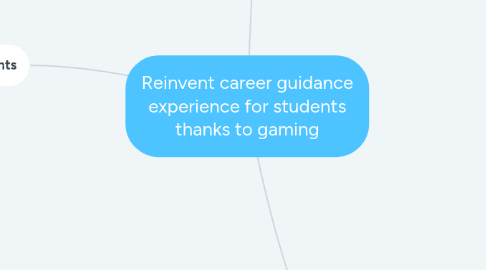
1. Students
1.1. Type of students
1.1.1. Innatentive
1.1.2. Attention seeking
1.1.3. Dreamy
1.1.4. Fidgety
1.1.5. Troubled
1.1.6. Concerned
1.1.7. Hard worker
1.1.8. Lazy
1.2. Type of studies
1.2.1. Practical
1.2.2. Theoretical
1.2.2.1. Science
1.2.2.2. Economy
1.2.2.3. History
1.2.2.4. Litterature
1.2.2.5. Medicine
1.2.2.6. Law
1.2.2.7. Design
1.2.2.8. Engineer
1.2.2.9. Business
2. Gaming
2.1. Type of gaming
2.1.1. Educational games
2.1.2. Card Games
2.1.3. Physical Games
2.1.4. Real time strategy
2.1.5. Augmented Reality
2.1.6. Role Playing Games
2.1.7. Persuasive Games
2.1.8. Simulations
2.1.9. Alternate Reality Games
2.1.10. Virtual Reality
2.1.11. Video Games
2.2. Playing games
2.2.1. Why?
2.2.1.1. Improve
2.2.1.2. Learn
2.2.1.3. Relax
2.2.2. When?
2.2.2.1. End of the day
2.2.2.2. Week-end
2.2.3. Interface?
2.2.3.1. Computer
2.2.3.2. Game Console
2.2.3.3. Tablet
2.2.3.4. Smartphone
2.2.4. Who?
2.2.4.1. Adults
2.2.4.2. Students
2.2.4.3. Childrens
2.2.5. How?
2.2.5.1. With a joystick
2.2.5.2. With a controller
2.2.5.3. With a keyboard
2.2.5.4. With a mouse
2.2.5.5. With your finger
2.2.6. Where?
2.2.6.1. In Transportation
2.2.6.2. At Home
3. Career Guidance Experience
3.1. Theories
3.1.1. Holland's vocationnal interest model
3.1.2. Skills Development Scotland Competence Framework
3.2. Virtual experience
3.2.1. Quizzes
3.2.2. Reports
3.2.3. Websites
3.2.4. Articles
3.3. Experience in reality
3.3.1. Discussions
3.3.2. Meetings
3.3.3. Afterworks
3.3.4. Events
3.3.5. Forum