

IUPAC NOMENCLATURE OF COMPLEXES
by Anis Zakiah
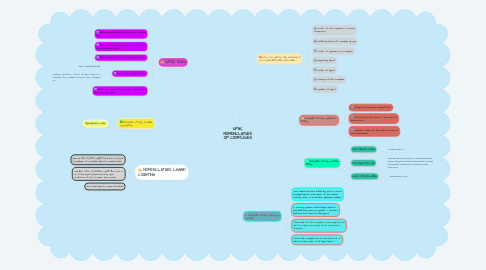
1. NOMENCLATURE LIGAND COUNTING
1.1. use DI, TRI, TETRA, PENTA and etc to show a number of a similar ligand or metal atom
1.2. use BIS, TRIS, TETRAKIS, PENTAKIS and so on if the ligand presence may give confusion if the former term used.
1.3. the name ligand is given bracket
2. NOMENCLATURE LIGAND SEQUENCE
2.1. Alphabetical order
3. IUPAC Rules
3.1. determine the name of the non complex ion
3.2. determine the ligand names and list them in alphabetical order
3.3. determine the name of the metal cation
3.4. name the complex ion by:
3.4.1. ligand alphabetically
3.4.2. adding a prefix in front of each ligand to indicate the number found in the complex ion
3.5. write the name of the cation followed by the name of anion
4. STEP TO WRITE THE FORMULA OF COORDINATION COMPOUND
4.1. order of ionic species in overall compound
4.2. Differentiating of complex group
4.3. order of species in a complex
4.4. repeating ligand
4.5. order of ligand
4.6. charge of the complex
4.7. symbol of ligand
5. NOMENCLATURE GENERAL NAME
5.1. All ligands name are stated first
5.2. followed by the name of the central metal atom
5.3. oxidation state of the metal written in round bracket
6. NOMENCLATURE LIGAND NAME
6.1. FOR ANION LIGAND
6.1.1. ended with 'o'
6.2. FOR NEUTRAL ION
6.2.1. similar chemical name is used except for water (aqua); ammonia (ammine), carbon monoxide (carbonyl), nitrogen oxide (nitrocyl)
6.3. FOR CATION LIGAND
6.3.1. ended with 'um'