

Reading Comprehension
by Cierra Pugmire
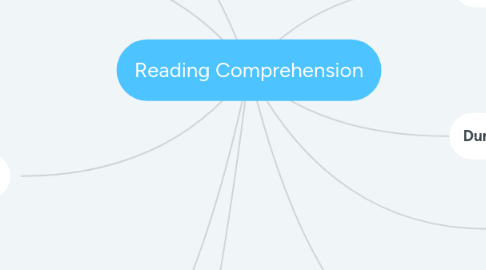
1. Scaffolding Reading
2. Thinking Strategies for Readers
2.1. Visualize
2.2. Connect
2.3. Question
2.4. Infer
2.5. Evaluate
2.6. Analyze
2.7. Recall
2.8. Self-monitor
3. Metacognitive Understanding
3.1. Talk to Text
3.2. Providing interesting texts
3.3. Elevate self-efficacy
3.4. Think Aloud activity
4. Dimensions of Comprehension
4.1. Cognitive Dimension
4.2. Textual Dimension
4.3. Personal Dimension
4.3.1. Identity
4.3.2. Agency
4.3.3. Issues of engagement
4.3.4. Goals
4.4. Social Dimension
4.4.1. Social languages
5. Teaching Comprehension
5.1. Clarifying
5.2. Connecting to prior experience
5.3. Compare and contrast
5.4. Questiong the text
5.5. Summarizing
5.6. Visualizing
6. During Reading
6.1. Monitor comprehension
6.2. Recognize when information clicks
7. Pre-Reading
7.1. Motivating contexts
7.2. Local Interest
7.2.1. Museum Activity
7.2.2. Text Impressions
7.3. Make connection to background knowledge
7.4. Set purpose for reading
8. Post-Reading
8.1. Review and summarize key ideas
8.2. Engage in text-based discussions
8.2.1. Open-ended questions